How to Wear Balletcore Through Unpredictable Fall Weather
Quick Answer: Layer a fine-knit cardigan or wrap sweater over balletcore staples, swap thin tights for a slightly heavier denier, and add a structured coat in a soft neutral to keep the aesthetic intact through cooler, unpredictable days.
Balletcore’s signature pieces — wrap tops, thin tights, soft flats — are built for a controlled indoor temperature, not a 55-degree morning that turns into a 70-degree afternoon. Layering it well keeps the aesthetic without freezing.
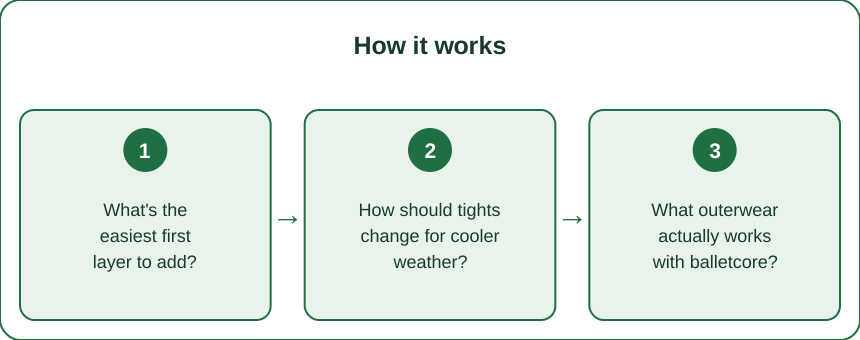
What’s the easiest first layer to add?
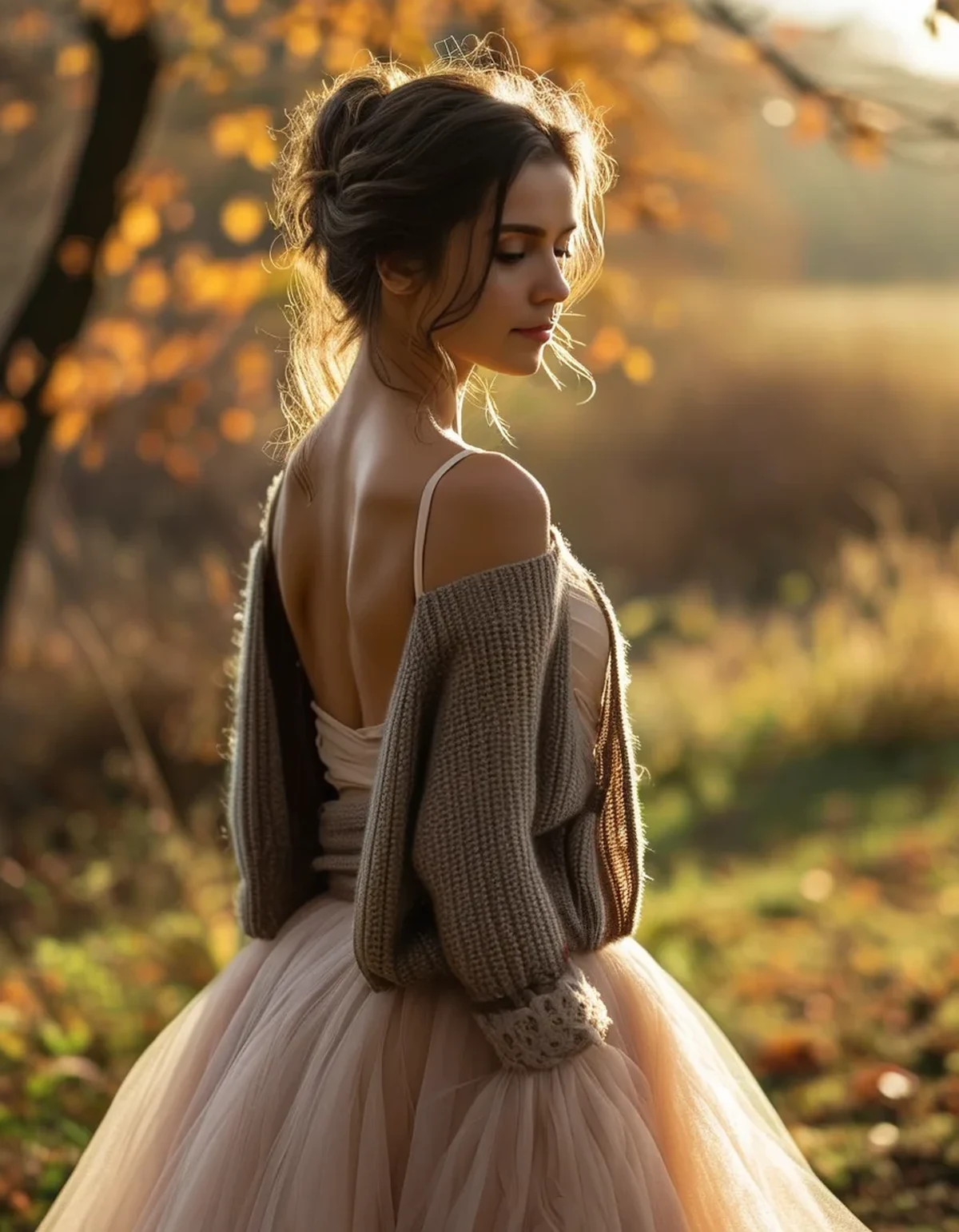
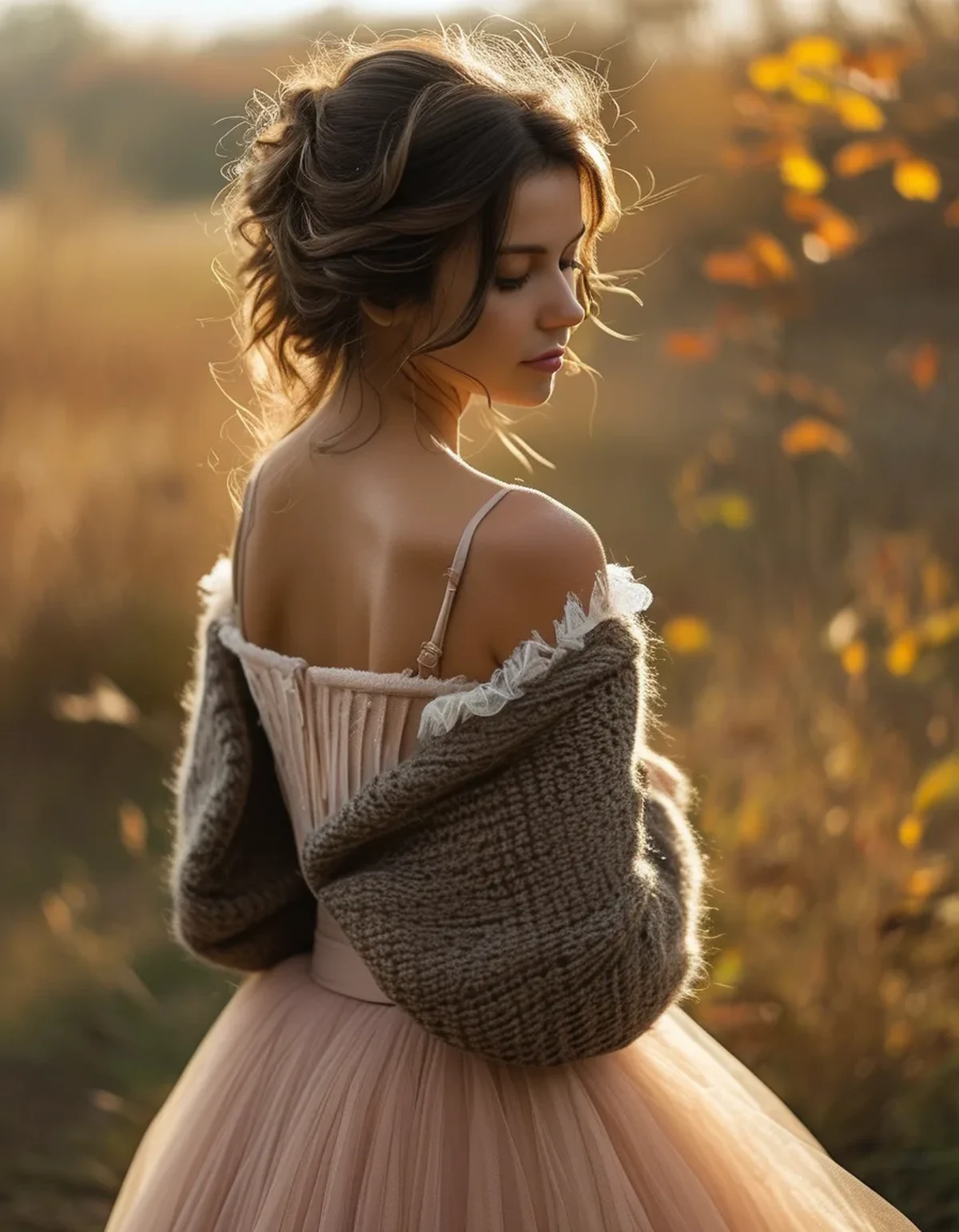
A fine-knit cardigan in a matching soft neutral (blush, cream, dusty rose) over a wrap top or leotard-style piece adds warmth without disrupting the silhouette balletcore is known for. Avoid chunky knits, which fight the aesthetic’s delicate visual language.
How should tights change for cooler weather?
Swap sheer or ultra-thin tights for a slightly heavier denier (60-100) in the same soft neutral tones. This maintains the leg-line look balletcore relies on while adding real warmth — going for opaque black instead breaks the aesthetic’s signature softness.
What outerwear actually works with balletcore?
A structured wool coat in a soft, muted tone (camel, dove grey, blush) works better than a puffer or heavily technical jacket, which visually clashes with the aesthetic’s ballet-inspired softness. A wrap coat in particular echoes the wrap-top silhouette balletcore already leans on.
Myth vs Fact: Balletcore Cold Weather Edition
Myth: Balletcore can’t work once temperatures drop below 60°F. Fact: Layering with the right fabric weights (fine knits, structured wool) maintains the aesthetic through much colder weather than people assume.
Myth: Any cardigan works as long as it’s soft-colored. Fact: Bulky or heavily textured knits change the proportions balletcore depends on — a fine-gauge knit keeps the silhouette intentional rather than sloppy.
Myth: Balletcore requires exposed legs or thin tights year-round. Fact: Heavier tights or even leg warmers over tights are period-accurate to actual ballet training wear and fit the aesthetic’s original references.
FAQ: Balletcore Layering Questions, Answered
What colors work best for balletcore layering pieces?
Soft neutrals — blush, cream, dove grey, camel, dusty rose — maintain the aesthetic’s signature palette better than bold or dark colors, which read as a different style entirely.
Can leg warmers fit into a balletcore look?
Yes — leg warmers over tights are directly referenced from real ballet practice wear and fit the aesthetic naturally, more so than many other cold-weather solutions.
What outerwear should balletcore avoid?
Puffer jackets, heavy technical outerwear, and anything in a bold pattern or saturated color tend to clash with the soft, muted, ballet-inspired visual language the aesthetic is built on.
TL;DR:
- Fine-knit cardigans and wrap sweaters layer without disrupting the silhouette
- Heavier denier tights in matching soft tones beat switching to opaque black
- Structured wool coats in muted tones fit better than puffers or technical jackets
- Leg warmers are period-accurate to real ballet wear and fit the aesthetic naturally
Layer with the same soft, muted palette already at balletcore’s core, and cooler weather doesn’t have to mean abandoning the look.
Keep Reading
This article is for general informational and styling purposes only. Fit, sizing, and product availability may vary.