How Balletcore Survives Actual Cold, Not Just Transitional Weather
Quick Answer: Balletcore depends on visible line and layered thinness, both of which conflict with genuine cold. The workaround is to move warmth to pieces that already belong to the aesthetic - real wool wrap cardigans, thick tights under skirts, legwarmers that serve as insulation rather than decoration - and to put the bulk in an outer coat that comes off indoors. What breaks the look is a puffer and chunky boots, because both erase the line the aesthetic is built on.
Balletcore works beautifully in 60F. At 30F, the standard formula of a thin bodysuit and a wrap skirt is not a real outfit.
The good news is that dancers have solved this problem for a century, and the solutions are already part of the visual language.
Why does the aesthetic fight cold weather specifically?
Because it is built on two things that cold undermines - visible body line and delicate layering.
Balletcore reads as itself through silhouette: a defined torso, a visible waist, clean lines from shoulder to hip, and layers that are thin enough to see the shape beneath. That is why bodysuits, wrap tops, and fine knits are central to it.
Cold weather demands the opposite - insulation, which means volume and opacity. A thick coat over the top hides the line entirely, and thick layers underneath erase the shape.
The temptation is to give up and wear a puffer, which functionally works and visually converts the outfit into a different aesthetic altogether.
The actual solution is the one rehearsal wear has always used: warmth in pieces that are part of the look rather than added on top of it. Dancers in unheated studios in winter have needed both for a very long time, and the resulting garments are already the vocabulary of the aesthetic.
Which pieces do double duty?
The overlap between genuine warmth and the balletcore vocabulary is larger than it first appears.
- A real wool wrap cardigan. Not a thin viscose one - a proper wool or wool-blend wrap. It is authentically rehearsal wear, it ties at the waist so it preserves the line, and wool at a decent weight is genuinely warm.
- Legwarmers, used properly. They are insulation first, and they cover the calf and ankle, which is where most people lose heat standing around. Worn over tights they add real warmth without adding bulk at the torso.
- Thick opaque tights. 80-120 denier, or fleece-lined for real cold. This is the single highest-return swap - it makes skirts and dresses viable in genuinely cold weather and it is entirely period-correct for the aesthetic.
- A merino bodysuit or long-sleeve base. Merino is thin, warm, and holds a close line. It is the modern version of what the aesthetic already wants.
- A long wool coat. Covered below, but it is the piece that makes everything else possible.
Notice that none of these are compromises. They are all more authentically rehearsal wear than the thin summer versions.
What about the coat problem?
The outer layer is where the aesthetic most often falls apart, and the choice is narrower than the rest of the outfit.
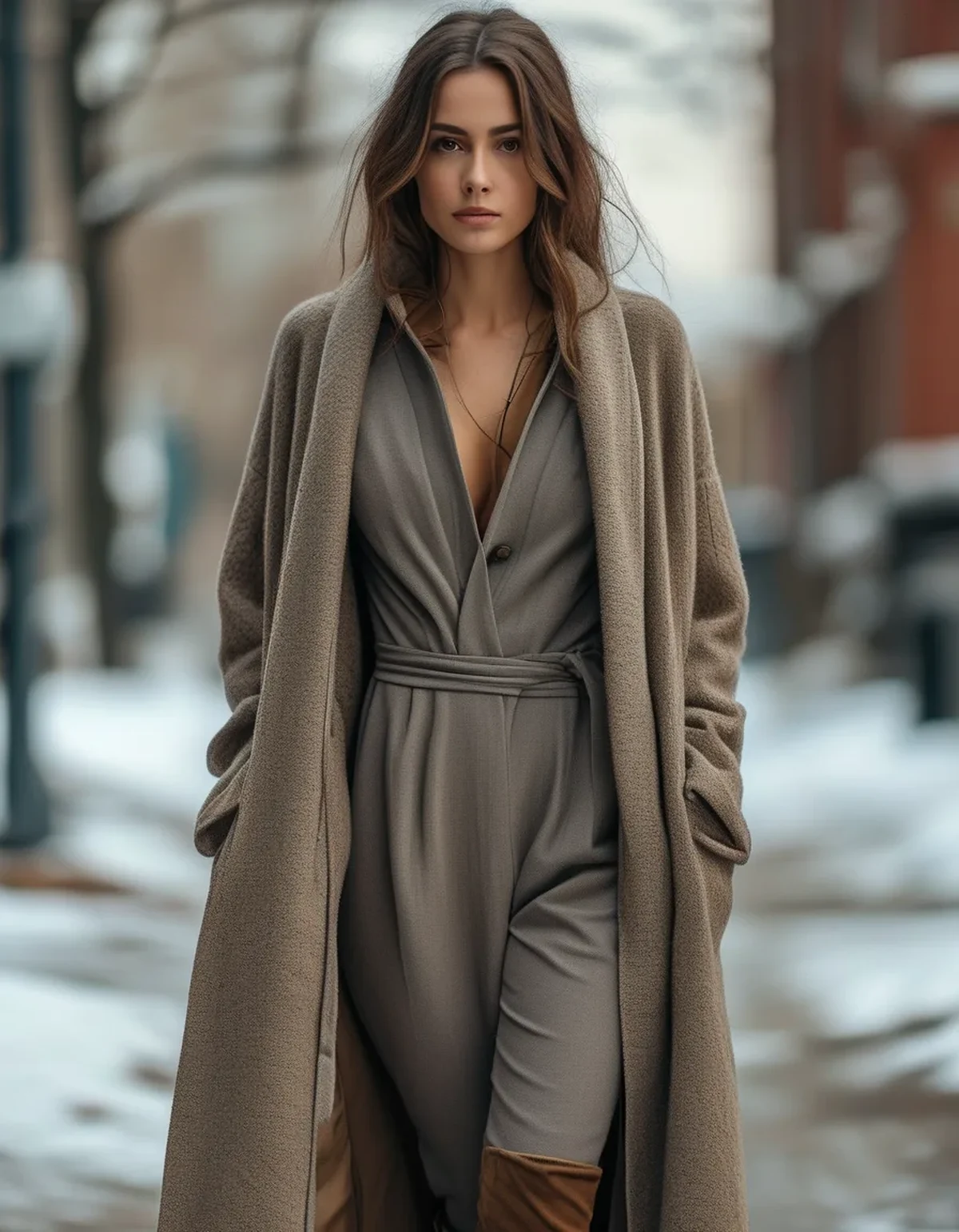
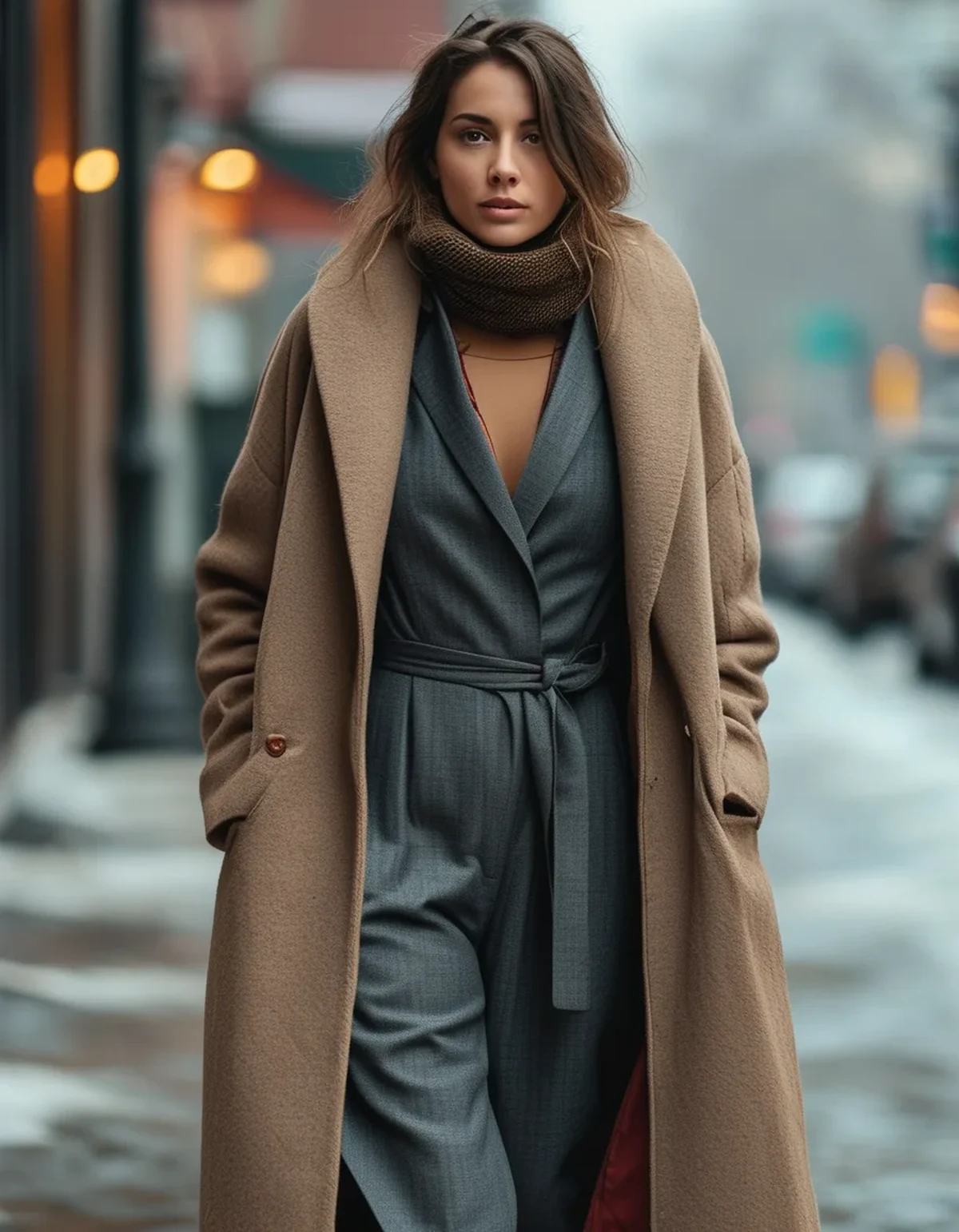
A long wool coat is the answer. Length past the knee, a defined shoulder, a soft neutral or a deep tone. It maintains the vertical line the aesthetic depends on, it is genuinely warm, and it reads as elegant rather than technical.
What breaks the look:
- Puffers. Horizontal quilting lines and a rounded silhouette are the visual opposite of everything balletcore is doing.
- Cropped technical jackets. They cut the line at the waist and add an athletic register that clashes.
- Anything with visible branding or hardware.
If a puffer is unavoidable for the temperature, a long one in a solid neutral with vertical or minimal quilting is far less disruptive than a short one with horizontal channels.
The practical advantage of the long coat is that it does the heavy lifting outdoors and comes off entirely indoors, which means the outfit underneath can stay thin and correct.
What Nobody Tells You About Winter Balletcore
Shoes are the hardest problem, not the clothes. Flats and ballet-style shoes are central to the aesthetic and genuinely unwise on ice. The workable answer is a sleek leather ankle boot with a low block heel in a neutral tone - it preserves the line far better than a chunky lug-sole boot, which visually anchors the whole outfit to the ground.
Tights are where nearly all the achievable warmth lives. Going from 40 to 100 denier, or to fleece-lined, changes the viable temperature range by more than any top-half decision. It is also invisible in terms of silhouette.
The aesthetic tolerates texture better than it tolerates volume. A chunky-knit wrap cardigan works; a puffy quilted vest does not. Texture adds interest without breaking line, while volume breaks line directly.
Neutral palettes hide layering. Cream over cream over camel reads as one considered outfit. The same number of layers in contrasting colours reads as bulk, because each visible boundary announces another layer.
Indoor and outdoor are different outfits, and that is fine. Build the indoor version to be correct and thin, then treat the coat, scarf, and boots as a removable outdoor system. Trying to make one outfit work in both is what forces the compromises that ruin it.
FAQ: Winter Balletcore Questions, Answered
Can I wear leg warmers over jeans or trousers?
Over fitted trousers or leggings, yes - it is period-correct and it works. Over wide or straight-leg jeans it tends to look like an accident, because the bunching has nowhere to sit cleanly.
Are fleece-lined tights obviously different?
The good ones are not, at a distance. Look for ones described as thermal or brushed rather than heavily fleece-lined, which can appear matte and slightly thick. In deep neutrals the difference is largely invisible.
How do I keep the waist definition under a coat?
You mostly do not, and that is fine - the coat is its own silhouette. Choose a coat with a belt or a defined waist if you want continuity, but the outfit underneath is what matters once you are indoors.
Is this aesthetic wearable at all below freezing?
With merino base layers, thick tights, a wool wrap, and a long coat, comfortably down to around freezing. Well below that and any aesthetic built on line rather than insulation reaches its limit - at which point the outfit becomes the coat, and the balletcore lives underneath for when you arrive.
TL;DR:
- The aesthetic depends on visible line and thin layers, both of which genuine cold undermines.
- Put warmth in pieces that already belong to the vocabulary: wool wrap cardigans, thick tights, legwarmers, merino bases.
- Thick opaque tights are the highest-return change - they extend the viable temperature range and are invisible in silhouette.
- A long wool coat preserves the vertical line. Puffers and cropped technical jackets break it.
- Texture is fine; volume is not. A chunky knit works where a quilted vest does not.
- Build the indoor outfit correctly and treat the coat, boots, and scarf as a removable outdoor system.
The thin summer version of balletcore is actually the less authentic one - dancers in cold studios have always layered real wool and thick tights. Winter does not compromise the aesthetic so much as return it to where it came from.
Keep Reading
This article is for general informational and styling purposes only. Fit, sizing, and product availability may vary.