The Balletcore-for-Work Formula That Doesn't Read as Costume
Quick Answer: The line between balletcore-chic and costume is usually just one piece — wear exactly one clearly ‘ballet’ signature item (a wrap top, ballet flats, or a leg warmer detail) and pair it with structured, work-appropriate basics, rather than combining multiple ballet signifiers at once.
Balletcore’s soft, romantic pieces are genuinely office-wearable — but stack a wrap top, leg warmers, and a tulle skirt together and it stops reading as style and starts reading as dress-up.
The One-Signature-Piece Rule
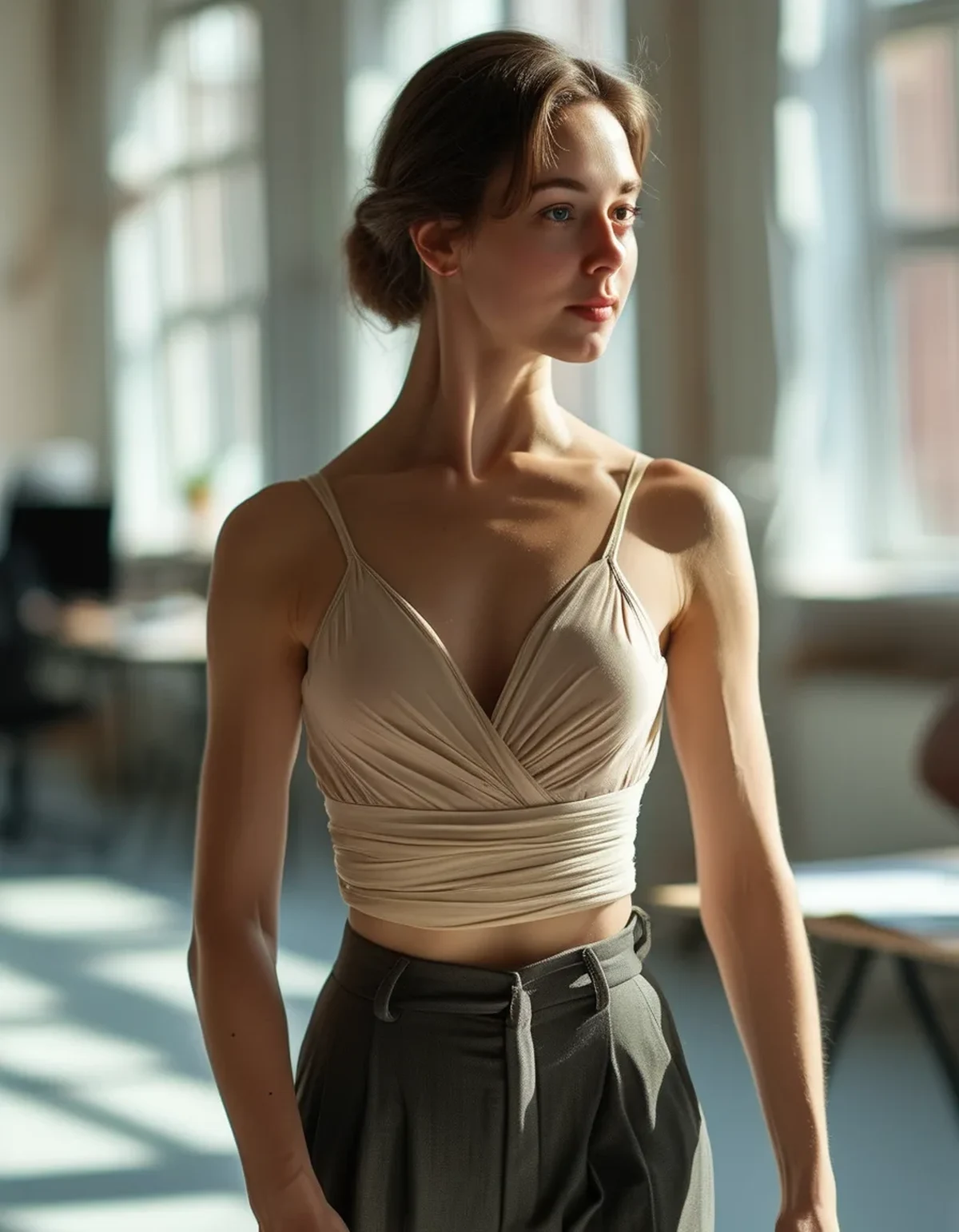
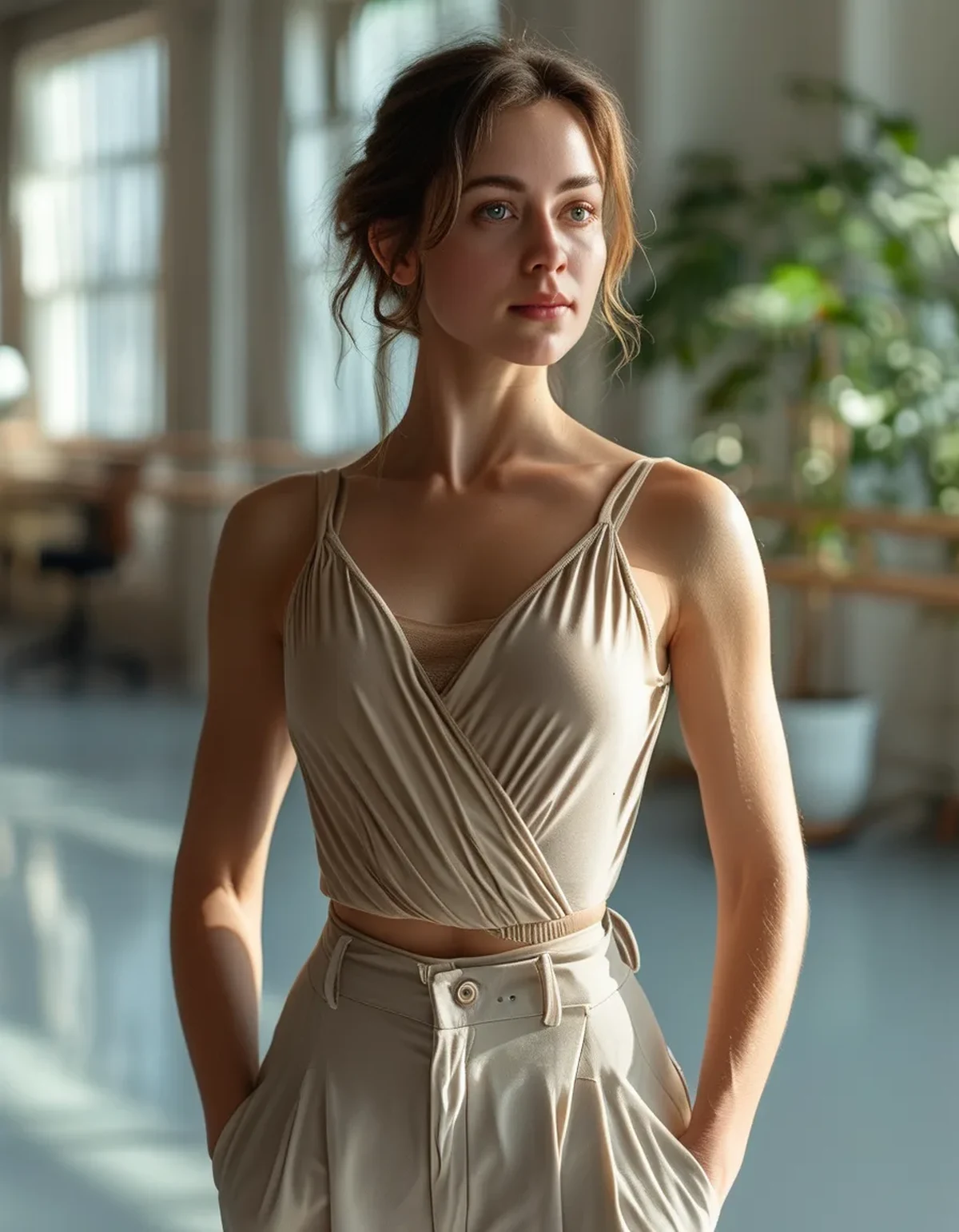
Pick a single standout balletcore element — a wrap top, satin ribbon detail, or ballet flats — and build the rest of the outfit around structured, neutral basics (tailored trousers, a blazer, a simple button-down). This keeps the ballet reference present without overwhelming a work-appropriate silhouette.
Wrap Tops: The Easiest Entry Point
A wrap top in a matte, structured fabric (not silky or bias-cut chiffon) reads as sophisticated rather than costume-like, especially tucked into tailored trousers or a pencil skirt. This is often the single most office-transferable balletcore piece.
Ballet Flats Over Actual Ballet Shoes
Choose flats with a slightly structured sole and a subtle pointed or rounded toe rather than true elastic-strap ballet slippers — the visual reference is there, but the shoe still reads as professional footwear rather than dance-class gear.
Where Leg Warmers and Tulle Don’t Belong at the Office
These pieces are the fastest way to tip an outfit into costume territory in a work setting — save them for weekend or evening balletcore looks where the fuller reference is appropriate, and skip them for office wear entirely.
Color Palette Does More Work Than People Expect
Balletcore’s soft pinks and creams read as gentle and stylish in small doses, but a head-to-toe pale pink outfit can tip toward costume regardless of piece choice. Anchoring one balletcore-colored piece against neutral black, navy, or camel keeps the palette work-appropriate.
Myth vs Fact: Balletcore at Work
Myth: Balletcore just doesn’t belong in a professional setting. Fact: the aesthetic’s soft tailoring and structured wrap silhouettes are genuinely compatible with business casual — it’s about which specific pieces and how many, not the trend itself.
Myth: More balletcore pieces together always looks more ‘on theme.’ Fact: stacking multiple obvious references is exactly what pushes an outfit from stylish to costume-like.
FAQ: Balletcore Office Style Questions, Answered
Can balletcore work in a very formal office environment?
In strict formal environments, keep it to fabric and silhouette influence (a wrap-style blouse, soft draping) rather than any literal dance-reference pieces like flats or leg warmers.
What fabric care issues come up most with balletcore pieces?
Wrap tops and satin details often need more careful laundering (cold wash, air dry) than standard office wear — check care labels before treating them like everyday basics.
How do I transition a balletcore work outfit to after-work plans?
Swap the flats for a heel and add one additional balletcore accent (a ribbon tie, a leg warmer) — the base outfit doesn’t need to change, just the accent level.
TL;DR:
- Wear exactly one clear balletcore signature piece, not several at once
- Wrap tops in structured fabric and ballet-inspired flats are the easiest office entry points
- Skip leg warmers and tulle for work — save them for off-hours looks
- Anchor soft balletcore colors against neutral basics rather than going head-to-toe pastel
Balletcore and ‘professional’ aren’t at odds — the costume line gets crossed by piece-count, not by the aesthetic itself, so keep it to one clear reference and let tailoring do the rest.
Keep Reading
This article is for general informational and styling purposes only. Fit, sizing, and product availability may vary.