Balletcore vs Coquette: What Actually Separates These Two Overlapping Aesthetics
Quick Answer: Balletcore centers on functional dancewear-inspired pieces — wrap tops, leg warmers, structured leotards — with a practice-studio origin. Coquette centers on ultra-feminine, bow-heavy, deliberately delicate pieces with a decorative rather than functional origin. They overlap in softness and pink tones but come from different visual sources.
Scroll through either hashtag and you’ll see pink, ballet flats, and soft fabrics in both. That overlap is real — but treating them as interchangeable misses what actually makes each aesthetic distinct.
What’s the core visual difference between the two?
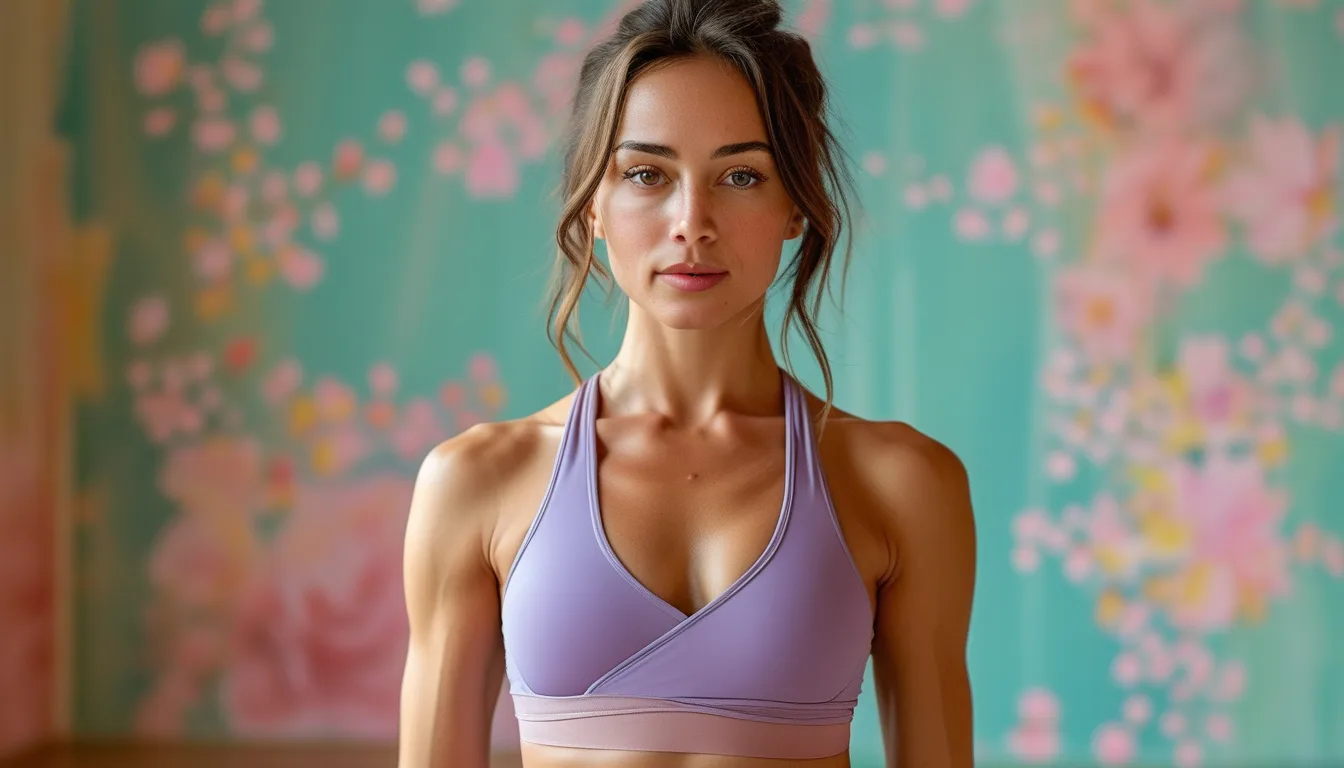
Balletcore pulls from actual practice-wear — wrap tops, leg warmers, fitted leotards, structured bodysuits — pieces that originated as functional dance studio clothing before becoming everyday fashion. The aesthetic reads as trained, disciplined, purposeful, even when styled casually.
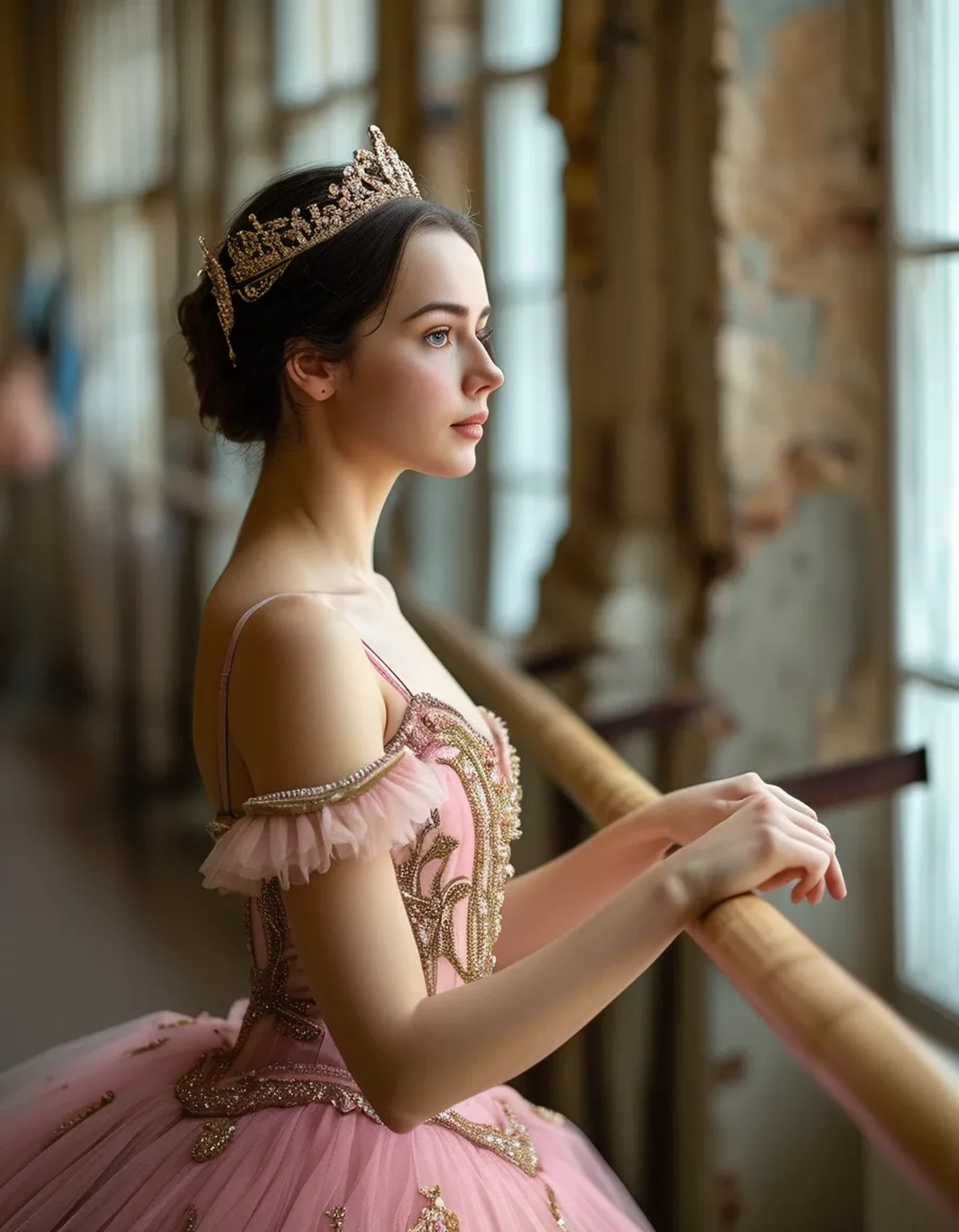
Coquette pulls from decorative femininity — bows, lace trim, ribbon details, corset-inspired silhouettes — pieces designed to be delicate and overtly romantic rather than functional. It reads as soft, playful, deliberately girlish rather than practice-inspired.
Why do people mix them up so often?
Because both aesthetics share a restrained, pale color palette (pinks, creams, soft neutrals) and both favor delicate, body-conscious silhouettes — from a distance, a coquette bow-tied cardigan and a balletcore wrap top can look similar in color and softness even though their construction and inspiration are completely different.
Social media also blends the tags constantly, since a lot of styling (ballet flats, for example) genuinely works across both, making the line feel blurrier than it structurally is.

5 Ways to Tell Balletcore and Coquette Apart at a Glance
1. Wrap details vs bow details. Balletcore uses functional wrap ties (like a real leotard wrap); coquette uses decorative bows as the focal point.
2. Structured bodysuits vs corset silhouettes. Balletcore favors fitted, athletic structure; coquette favors an exaggerated waist-cinched shape.
3. Leg warmers vs lace trim. A clear balletcore signal versus a clear coquette signal — rarely crossed.
4. Practical flats vs delicate ballet flats with bow or ribbon detail. Both wear flats, but the detailing differs.
5. Overall mood: disciplined athleticism vs decorative romance. This is the fastest gut-check when a piece doesn’t clearly fall into either camp.
Can the two aesthetics be combined in one outfit?
Yes, and it’s a common styling choice — a balletcore wrap top with a coquette-style bow hair accessory, for example, blends both without contradiction, since they share the same soft palette. The key to making the combination read intentional rather than confused is choosing one dominant aesthetic per outfit and letting the other show up in a single accent piece, not competing equally throughout.
FAQ: Balletcore vs Coquette Questions, Answered
Is coquette just a subcategory of balletcore?
No — they have different origins (dancewear function vs decorative femininity) even though they overlap visually in color and softness.
Which aesthetic is easier to build a capsule around?
Balletcore tends to be more versatile day-to-day since its pieces (wrap tops, leotards, leg warmers) layer easily into existing wardrobes; coquette pieces often read as more occasion-specific.
Do both aesthetics require a specific color palette?
Both favor soft, pale tones, but neither requires it exclusively — balletcore works in structured black and navy too, just less commonly seen in trend content.
TL;DR:
- Balletcore draws from functional dancewear; coquette draws from decorative femininity
- Wrap details signal balletcore; bow details signal coquette
- The shared soft palette is why they get confused, not because they’re the same aesthetic
- Combining them works if one aesthetic leads and the other shows up as a single accent
Next time you’re building an outfit, ask whether the piece originated as practice wear or as a decorative detail — that answers which camp it’s really in.
Keep Reading
This article is for general informational and styling purposes only. Fit, sizing, and product availability may vary.