Ballet Flats or Sneakers: Which Actually Completes a Balletcore Look?
Quick Answer: Ballet flats lean into the aesthetic’s core reference point and work best for a fully soft, romantic look, while clean white sneakers make balletcore pieces more wearable for daily errands and longer days on your feet — the choice depends on how literal versus lifestyle you want the look to read.
Balletcore’s whole aesthetic borrows from ballet, so it’s tempting to assume ballet flats are always the ‘correct’ choice. In practice, the shoe decision depends more on what you’re actually doing in the outfit that day.
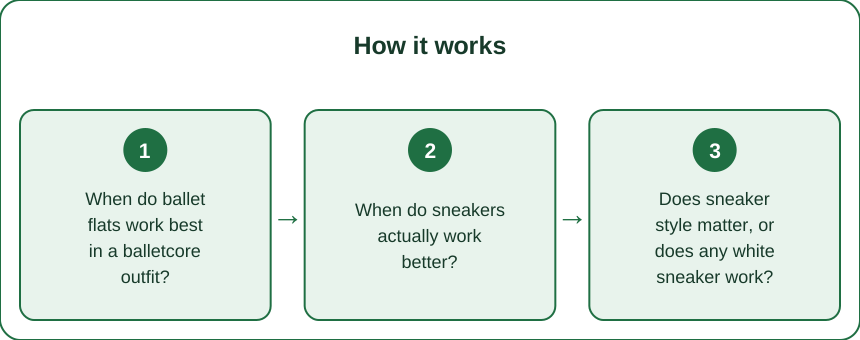
When do ballet flats work best in a balletcore outfit?
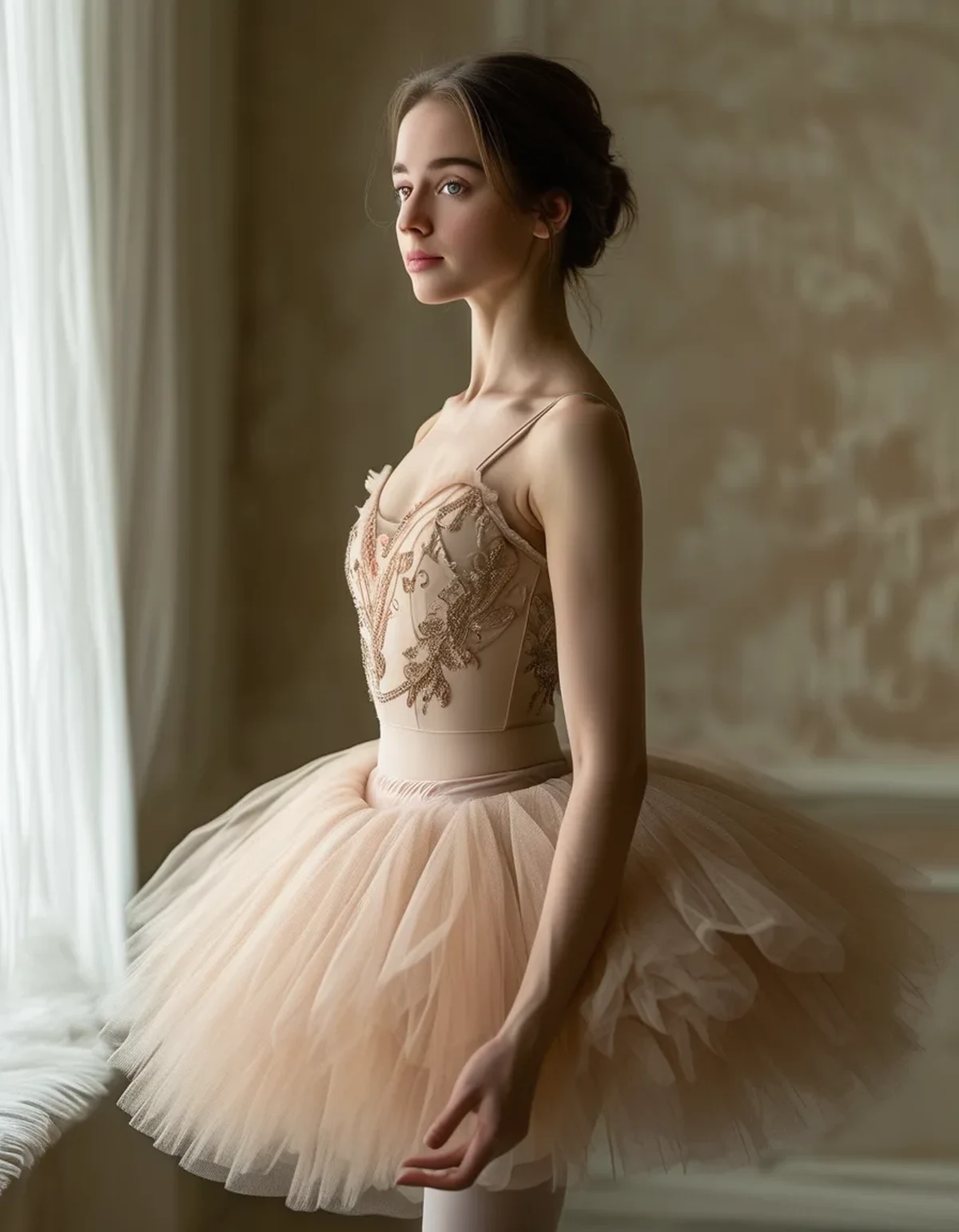
Ballet flats reinforce the aesthetic most directly for shorter outings, dressier occasions, or when the rest of the outfit is already soft and romantic (wrap tops, tulle skirts, leg warmers). They complete the reference point the whole aesthetic is built around.
They’re less practical for a full day of walking or standing, since most ballet flats offer minimal cushioning compared to sneakers.
When do sneakers actually work better?
Clean white sneakers extend balletcore into daily, practical wear — running errands, a full workday, or anything requiring more support than a flat provides. The contrast between soft balletcore pieces and a structured sneaker also creates a deliberate, styled tension some outfits benefit from.
This pairing is closer to how the aesthetic actually gets worn day to day by most people, versus the more curated, occasion-specific flat pairing.
Does sneaker style matter, or does any white sneaker work?
Minimalist, low-profile sneakers work better than chunky athletic styles, which pull the outfit’s visual weight toward sporty rather than soft. A clean leather or canvas sneaker in white or cream keeps the balletcore softness intact even with a more practical shoe.
Avoid heavily branded or brightly colored athletic sneakers, which compete with the aesthetic rather than supporting it.
Is there a middle-ground shoe option?
Ballet-inspired sneakers (soft, rounded toe, minimal detailing, sometimes with ribbon-style laces) have become a specific product category bridging both needs — offering more cushioning than a true flat while keeping a softer silhouette than a standard sneaker.
These work well for anyone who wants the practicality of a sneaker without losing the ballet reference entirely.
FAQ: Balletcore Shoe Questions, Answered
Can ballet flats be worn comfortably for a full day out?
For most people, comfort drops noticeably after a few hours without added cushioning — inserts can help, but a full day of walking generally favors more supportive footwear.
Do balletcore sneakers need to be a specific brand?
No — the key features (low profile, minimal branding, soft rounded toe) matter more than any specific brand, and many mainstream sneaker brands offer styles that fit the aesthetic.
Is it ever appropriate to wear both flats and sneakers as part of the same wardrobe?
Yes — many people keep both and choose based on the day’s activity level, using flats for shorter or dressier occasions and sneakers for practical, longer days.
TL;DR:
- Ballet flats reinforce the aesthetic directly, best for shorter or dressier occasions
- Clean, minimalist sneakers extend balletcore into practical daily wear
- Avoid chunky or heavily branded athletic sneakers, which compete with the soft aesthetic
- Ballet-inspired sneakers offer a middle-ground option bridging both needs
The outfit doesn’t need one correct shoe — it needs the shoe that matches what the day actually requires.
Keep Reading
This article is for general informational and styling purposes only. Fit, sizing, and product availability may vary.