Balletcore on a Budget: What to Buy Secondhand and What Never Works Used
Quick Answer: Buy secondhand: wool and cashmere knits, wrap cardigans, silk and satin slip skirts, leather ballet flats in good condition, and structured outerwear - all of these age well and are dramatically overpriced new. Never buy used: anything with elastane as a structural element, which means bodysuits, leggings, tights, and fitted wrap tops, because elastane degrades invisibly and a stretched-out wrap top cannot be recovered. Ribbons, tulle, and delicate knits sit in the middle - inspect them properly and buy only in person.
Balletcore looks expensive because the aesthetic borrows from a wardrobe of natural fibers, soft drape, and quiet neutrals. All of which exist in enormous quantity in secondhand shops - if you know which half to reach for.
What should you actively look for secondhand?
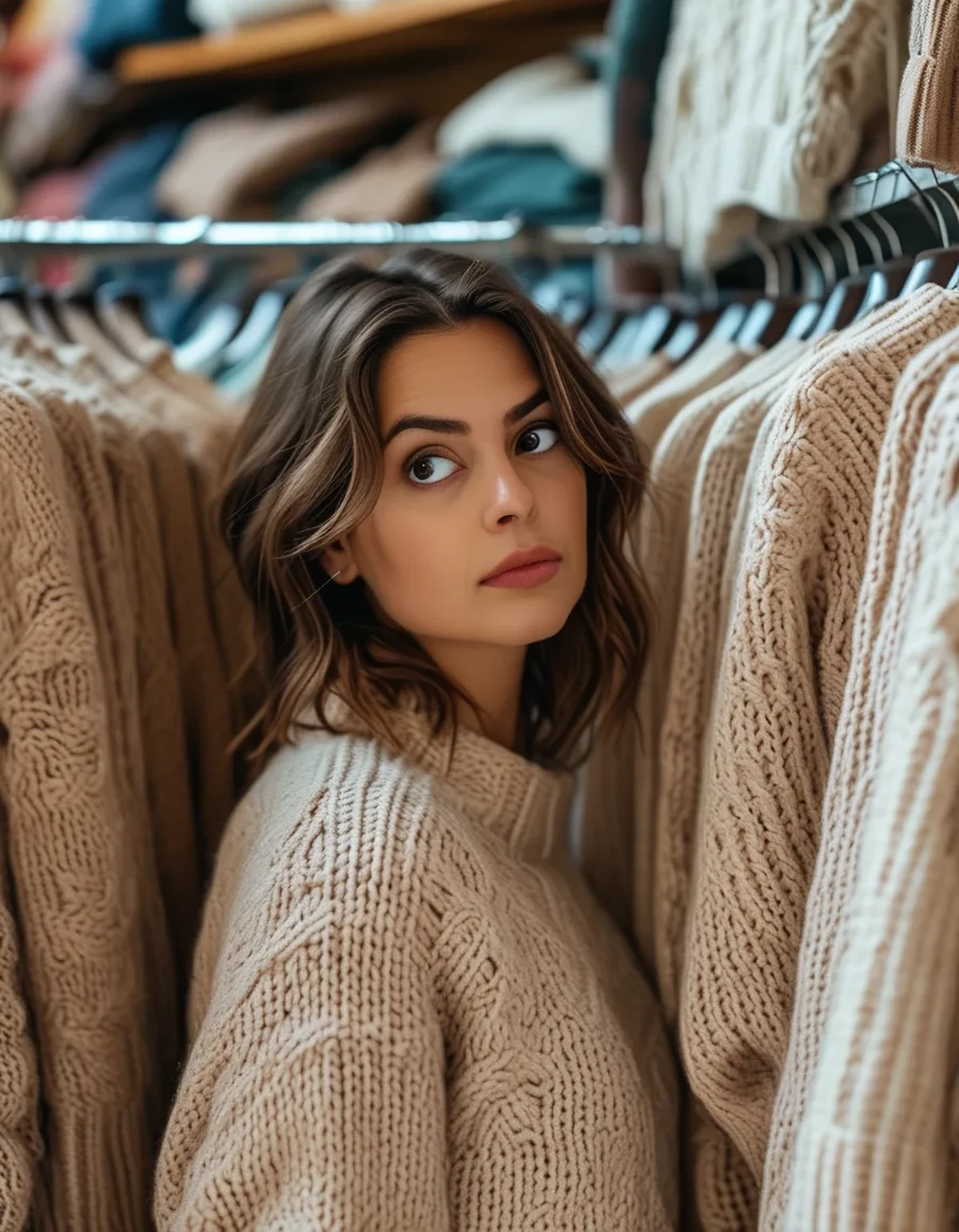
Wool and cashmere knits, first and always. A soft neutral wool cardigan or a fine-gauge crew in cream, oatmeal, dove grey, or dusty pink is the backbone of the entire aesthetic, and natural-fiber knitwear is the single most over-supplied category in secondhand shops. Expect to pay a fraction of retail for a better fiber than most fast fashion sells new.
Wrap cardigans specifically. The ballet wrap shape has been in and out of fashion for decades, which means secondhand rails carry versions from multiple eras. A wool wrap cardigan with a tie belt is close to the defining balletcore piece and is genuinely hard to find new at a reasonable price.
Silk and satin slip skirts. Bias-cut silk skirts appear regularly in secondhand shops, hold their drape indefinitely, and are absurdly expensive new. Check the seams and the hem for splits, which is where silk fails first.
Leather ballet flats. Real leather flats mould to the wearer, so a used pair can be more comfortable than a new one - if the previous owner’s foot shape was not wildly different. Check the sole wear pattern, the heel counter, and the inside lining.
Structured outerwear. A wool coat in camel or cream, a trench, or a tailored jacket. Outerwear is worn over other clothes so it stretches less, and quality construction from decades ago frequently exceeds what is available new at the same price.
And plain cotton and linen basics. Simple long-sleeve tops, camisoles, and shirts in natural fibers. Nothing glamorous, but they are the layer everything else sits on.
What should you never buy used?
Anything where elastane is doing structural work. Elastane degrades with time, heat, chlorine, body oils, and washing, and the degradation is largely invisible until you put the garment on. A bodysuit that looks perfect on the hanger can be visibly slack after twenty minutes of wear.
Bodysuits and leotards specifically. These rely entirely on recovery to hold shape, and a secondhand one has an unknown history of washing and wearing. This is the most commonly regretted secondhand balletcore purchase by a wide margin.
Tights and leggings. Same reason, plus hygiene. Tights are cheap new and this is not the category to economize in.
Fitted wrap tops with an elastane content. A wrap top’s whole function is that it holds tension across the body. A stretched one gapes, and no amount of care recovers it.
Shoes with a broken-down heel counter or a compressed insole. A ballet flat that has lost its structure at the heel will slip off with every step, and it is not fixable.
And anything with underarm staining, permanent odor, or moth damage on a wool piece. Small moth holes in an otherwise beautiful cashmere can be darned; visible larvae damage across a garment means it goes back on the rail and you check your own wardrobe when you get home.
The general test: if the garment depends on stretch and recovery for its fit, buy it new. If it depends on drape, structure, or fiber quality, buy it used.
What Nobody Tells You About Thrifting a Specific Aesthetic
You cannot shop for a look, only for pieces. Walking into a secondhand shop with a mood board and a shopping list produces frustration, because the stock is random. Going in with a mental list of shapes, fibers, and colors produces results.
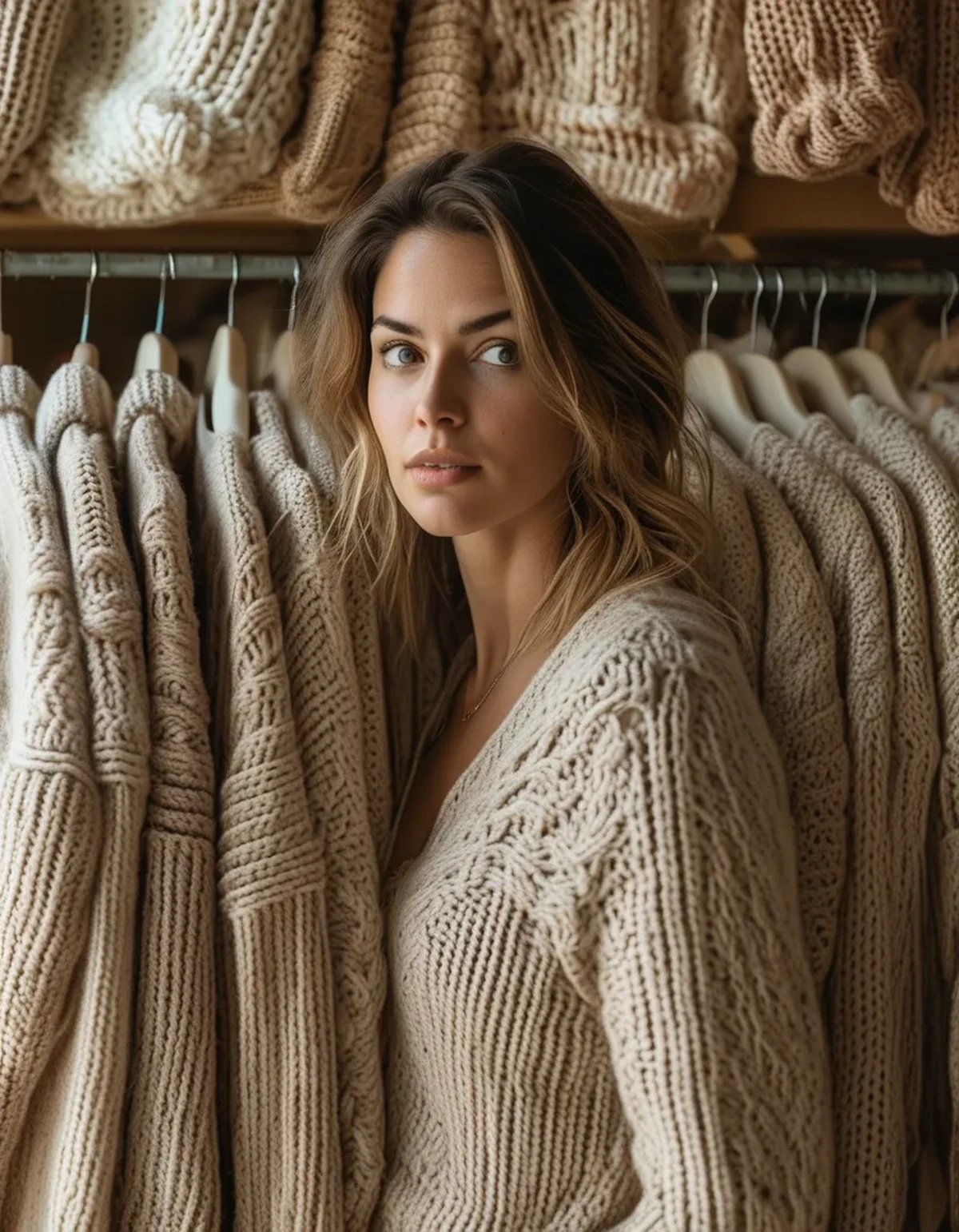
Learn to read a rail by fiber, not by eye. The most efficient technique in a secondhand shop is to walk a rail touching the fabric rather than looking at it. Wool, cashmere, silk, and good cotton feel unmistakably different from acrylic, and you can clear a 60-garment rail in two minutes this way.
Ignore the size on the label entirely. Sizing has drifted enormously over decades and across countries. Check the shoulder seam width for jackets and knits, and the waist measurement for skirts, using a soft tape you keep in your bag.
Menswear rails are the underrated section. Oversized wool crews, fine-gauge grandad cardigans, and simple white shirts in the men’s section suit the softer, larger-proportioned end of balletcore layering, and they are usually less picked over.
Color is where the aesthetic lives. Balletcore is defined more by palette than by shape - cream, oatmeal, pale pink, dove grey, black, and soft brown. A perfectly shaped cardigan in burgundy will not do the job. Be ruthless about color and flexible about everything else.
And buy the alteration budget alongside the garment. A $12 wool skirt plus $20 of hemming is a $32 skirt that fits, which is still an excellent outcome. People pass on well-made pieces because of a fixable fit issue and then buy something new that fits worse.
How do you build the wardrobe in what order?
Start with two knits. One wrap cardigan and one fine-gauge crew or long-sleeve top, both in the palette. These two pieces do more balletcore work than anything else you can buy, and both are best secondhand.
Then one bottom with real drape. A bias-cut midi skirt in silk or a soft-drape synthetic, or a wide-leg trouser in a fluid fabric. Drape is the aesthetic’s second defining quality after palette.
Then the shoes. Leather ballet flats or a low, soft boot. Shoes change the read of an outfit more than any other single item, and a good flat is what stops a soft knit and skirt combination from reading as loungewear.
Buy the fitted pieces new, deliberately, and few. One good bodysuit and one pair of tights. These are the two items you should spend on and buy new, and you only need one of each to start.
Add the delicate accents last and cheaply. Ribbon, a hair claw, small pearl earrings, a slim scarf tied at the neck. These are the pieces that make the aesthetic legible and they cost almost nothing new.
And build the outerwear opportunistically. A cream or camel wool coat is the piece that pulls the whole wardrobe together and it is the one to wait for rather than settle on. Secondhand outerwear turns over seasonally - check in autumn when people clear their coat rails.
One realistic note about care. A secondhand natural-fiber wardrobe requires more maintenance than a synthetic one: a wool cycle or hand wash, a sweater comb for pilling, cedar or lavender for storage, and a willingness to hang things properly. That is the actual cost of the aesthetic, and it is worth knowing before you commit to it.
FAQ: Secondhand Balletcore, Answered
What is the best secondhand piece to start a balletcore wardrobe?
A wool or cashmere wrap cardigan in cream, oatmeal, or pale pink. It is the most defining shape in the aesthetic, it is expensive new, and it appears constantly on secondhand rails because the style has cycled through fashion repeatedly.
Why should I avoid buying stretchy pieces secondhand?
Elastane degrades over time with washing, heat, and body oils, and the loss of recovery is invisible on a hanger. Bodysuits, leggings, tights, and fitted wrap tops all depend on that recovery, so buy them new.
How do I find good quality fabric in a secondhand shop quickly?
Walk the rail touching fabric rather than looking at it. Wool, cashmere, silk, and good cotton feel distinctly different from acrylic and polyester, and this clears a long rail in a couple of minutes. Then check the label to confirm.
Are secondhand ballet flats hygienic?
With care, yes. Choose leather over fabric, check that the heel counter is firm and the insole is not compressed, and replace the insole with a fresh one. Avoid any pair with visible sole wear on one side, which indicates a gait pattern that has shaped the shoe.
TL;DR:
- Buy secondhand: wool and cashmere knits, wrap cardigans, silk slip skirts, leather flats, and structured outerwear - all age well and are overpriced new.
- Buy new: anything where elastane is structural, meaning bodysuits, leotards, tights, leggings, and fitted wrap tops.
- Shop by fiber and by color, not by the size label or by a mood board - touch the rail rather than looking at it.
- Check the menswear section for oversized knits and simple shirts; it is consistently less picked over.
- Build in order: two knits, one draped bottom, the shoes, then two new fitted pieces, then the cheap accents.
Balletcore is a palette and a set of fabrics more than it is a shopping list, and both of those are exactly what secondhand shops are full of. Learn which half of the wardrobe survives a previous owner and the aesthetic gets considerably cheaper.
See It in Motion
Seen here: High Waist Embossed Yoga Leggings with Side Pockets — shop it on bubblelime.com
Keep Reading
This article is for general informational and styling purposes only. Fit, sizing, and product availability may vary.