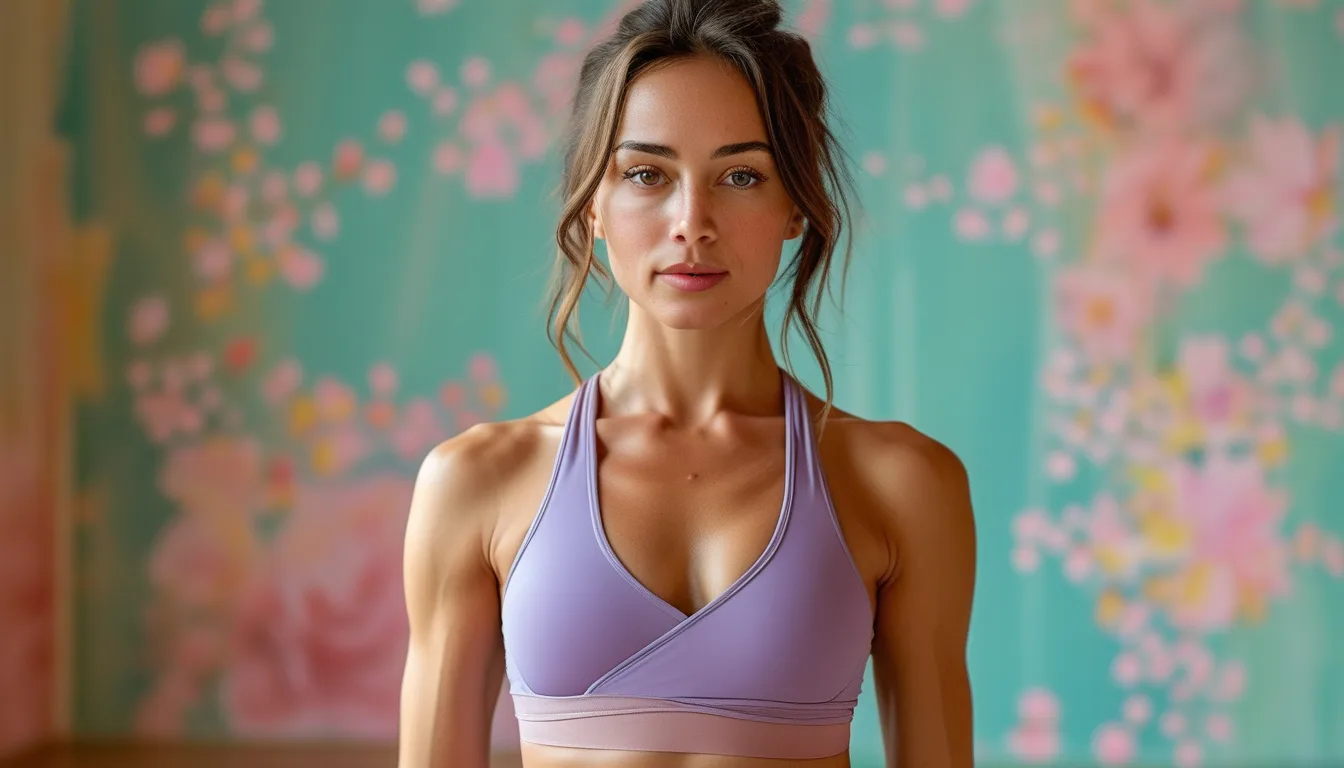
Balletcore on a Tall Frame: The Proportion Rules Are Different
Quick Answer: Balletcore’s signature pieces - cropped wrap tops, high waists, leg warmers, ribbon details - are proportioned around the compact, elongated-through-the-middle look of dancewear. On a tall frame, the same pieces sit in different places: wrap tops end higher and can read as too short, standard leg warmers land at the wrong point on the calf, and midi lengths that hit mid-calf on most people hit awkwardly below the knee. The fixes are to buy longer versions of the crop pieces, place leg warmers deliberately rather than wherever they fall, and choose skirt lengths by where they hit rather than by the label.
You tried the wrap top and it looked like a wrap top on someone else and a slightly odd cropped cardigan on you - and the leg warmers, worn exactly as styled in every reference photo, made your legs look strangely segmented.

Why do balletcore pieces sit differently on a tall frame?
Because the aesthetic is built around dancewear proportions, which assume a specific relationship between torso and leg. A wrap top is designed to tie at the natural waist and end just below it. On a longer torso, the same garment ties above the natural waist and ends at the ribcage - which reads as a different, more cropped garment entirely.
Sleeve and hem lengths compound it. Standard sizing adds length across sizes far more slowly than height varies, so a tall frame frequently gets a wrap top with sleeves ending mid-forearm and a hem sitting higher than intended, both at once.
Leg warmers are the clearest example. They are designed to bunch at a specific point - typically over the calf, ending at or just below the knee. On a longer leg, a standard pair reaches noticeably lower, sitting mid-calf and cutting the leg at its widest point rather than framing it.
And the skirt length labels stop meaning anything. A midi that hits mid-calf at 5 foot 4 hits just below the knee at 5 foot 10 - a length that is generally the least flattering point on a leg because it lands at the widest part of the calf and shortens the visible line.
None of this means the aesthetic does not work on a tall frame. It works extremely well - the long line is the whole point of ballet-inspired dressing. It just needs the pieces placed deliberately rather than worn where they happen to land.
What should you change about the key pieces?
Buy wrap tops in longer versions or size up for length. A wrap that ties at your actual natural waist is the target. If sizing up makes the body too wide, look for brands that offer tall sizing, or choose wraps in stretchier fabrics that accommodate a longer torso without gaping.
Alternatively, lean into the longline wrap. A longer wrap cardigan that ties at the waist and extends past the hip is a genuinely better piece on a tall frame than a cropped one, and it is thoroughly within the aesthetic - closer to a rehearsal cardigan than a crop top.
Place leg warmers deliberately. Pull them up so the top sits just below the knee and the bunching happens over the upper calf rather than the ankle, or wear them scrunched low at the ankle over a full-length legging as a deliberate ankle detail. What does not work is letting them fall to mid-calf, which is the widest point and the least flattering place to end a line.
Choose skirts by where they hit, not by their label. For most tall frames, either above the knee or genuinely long - hitting the ankle - works better than the just-below-the-knee zone. A true maxi in a soft fabric is one of the strongest balletcore pieces available on a long frame and is underused.
Look for high-rise bottoms with a genuinely high rise. Many high-waisted bottoms sit at the natural waist on average heights and well below it on taller ones, which removes the leg-lengthening effect you were buying them for. Check the rise measurement rather than the description.
And use full-length rather than cropped where possible. Cropped trousers, 7/8 leggings, and cropped cardigans all subtract from the vertical line, and on a frame where that line is your biggest asset, the full-length version is almost always the better choice.
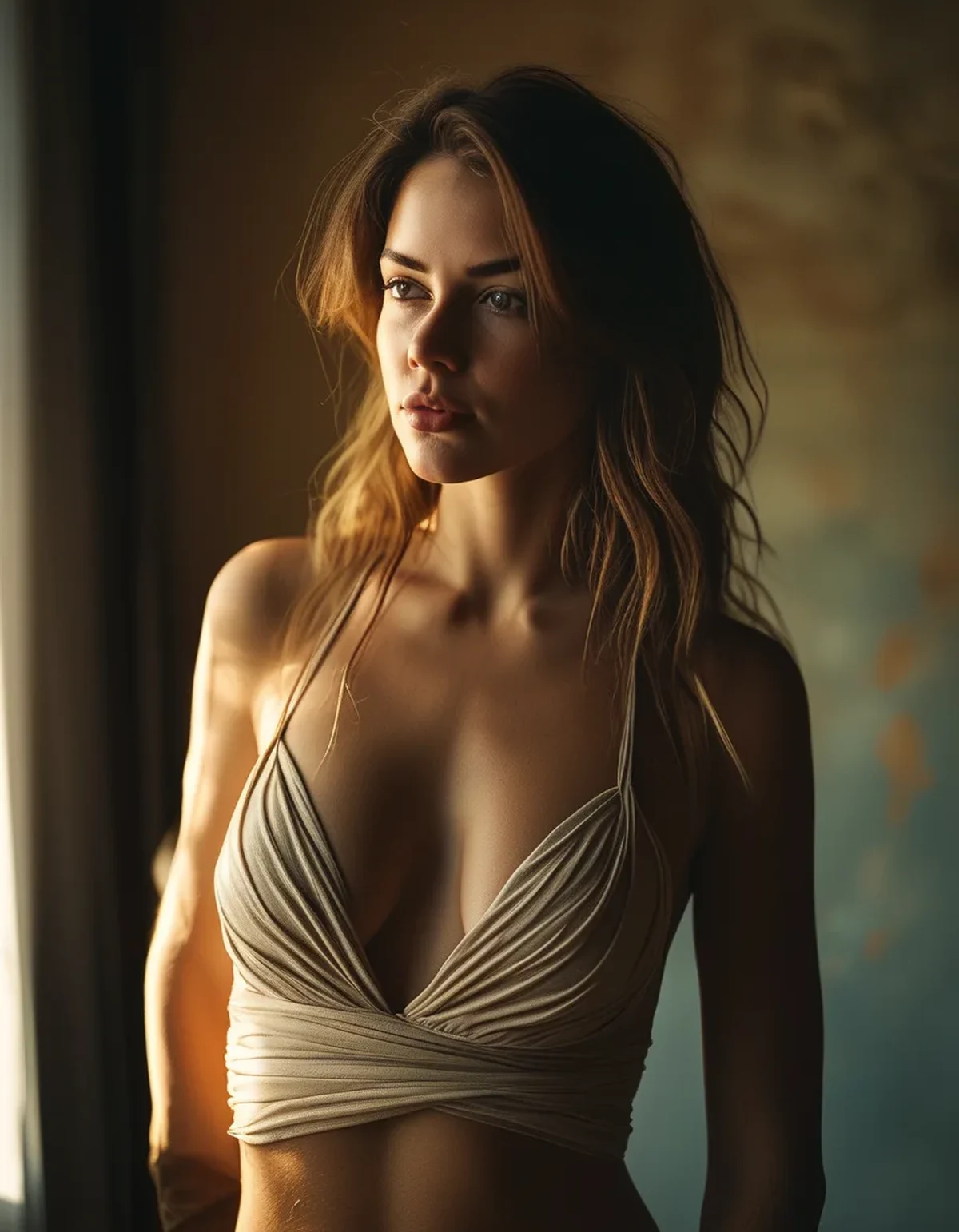
What Nobody Tells You About Tall Balletcore
Nobody tells you the aesthetic is genuinely well-suited to tall frames. Balletcore is fundamentally about a long, uninterrupted line - the whole visual language of ballet is elongation. A tall frame starts with that advantage; the styling just needs to avoid the segmenting details.
Nobody tells you that horizontal details are the real problem, not length. Leg warmers, contrast waistbands, ribbon ties at the ankle, and cropped hems all create horizontal breaks. One is a feature; three is a segmented leg. Pick one horizontal detail per outfit and let the rest of the outfit run vertical.
Nobody tells you that ballet flats can be tricky and are worth persisting with. A very flat, low-vamp shoe on a long foot can look bare, and many tall women give up on them for that reason. A slightly higher vamp, a ribbon tie, or a mary jane strap gives the shoe enough presence to balance the frame.
Nobody tells you that dancewear brands often size better than fashion brands here. Actual dance labels make wrap tops, cardigans, and leggings in proportions built for long limbs, because dancers are frequently long-limbed. Shopping the source rather than the trend interpretation solves several problems at once.
And nobody tells you that fabric weight does more work on a tall frame. Thin, clingy fabrics emphasize length in a way that can read as insubstantial; a slightly heavier knit or a fabric with drape holds a shape and balances the proportions. This is one of the easiest upgrades in the whole category.
How do you build a tall balletcore outfit that works?
Start with one long vertical piece. A longline wrap cardigan, a full-length legging or trouser, a maxi skirt. This is the anchor, and it should run uninterrupted.
Add one horizontal accent, placed deliberately. Leg warmers just below the knee, or a wrap tie at the natural waist, or a ribbon at the ankle - one of them, not all three.
Keep the color story tonal. Balletcore’s palette - cream, blush, grey, black - is naturally suited to tonal dressing, and a tonal outfit on a long frame reads as elegant rather than segmented. Contrast between top and bottom cuts the line in half.
Use texture instead of contrast for interest. Ribbed knit, tulle, satin, and soft wool against each other in the same tone gives an outfit depth without introducing a horizontal break.
Get the waist placement right, because it is the one that matters. A defined waist at your actual natural waist creates the proportion the whole aesthetic depends on. A waist that sits too low - which is what a standard high-rise does on a long torso - undermines everything else you did.
And judge it in a full-length mirror from a few steps back. Proportion problems are invisible up close and obvious at distance, which is why so many outfits pass the bathroom mirror and fail in a photograph.
FAQ: Balletcore for Tall Frames, Answered
Do cropped wrap tops work on tall women?
They can, but standard ones tie above the natural waist on a longer torso and read as more cropped than intended. Size up for length, look for tall sizing, or choose a longline wrap that ties at the waist and extends past the hip - the longer version is often the stronger piece.
Where should leg warmers sit on a long leg?
Either high, with the top just below the knee and the bunching over the upper calf, or scrunched low at the ankle over full-length leggings. What to avoid is letting them land mid-calf, which cuts the leg at its widest point.
What skirt length is best for a tall frame in balletcore?
Either above the knee or genuinely full length to the ankle. The just-below-the-knee zone - which is where many midi skirts land on taller frames - hits the widest part of the calf and shortens the visible leg line.
How do I avoid balletcore looking like a costume on a tall frame?
Use one horizontal accent per outfit rather than several, keep the palette tonal so the vertical line stays intact, and use texture rather than color contrast for interest. Multiple horizontal details on a long frame is what tips the look from elongated into segmented.
TL;DR:
- Balletcore is proportioned around dancewear silhouettes, so its key pieces land in different places on a longer frame.
- Buy longer wrap tops or lean into the longline wrap cardigan, which is frequently the better piece on a tall frame anyway.
- Place leg warmers deliberately - just below the knee or scrunched at the ankle - rather than letting them fall to mid-calf.
- Choose skirts by where they actually hit: above the knee or full length, avoiding the just-below-the-knee zone.
- Use one horizontal accent per outfit, keep the palette tonal, and check the rise measurement rather than the high-waisted label.
The aesthetic is built on elongation, which means a tall frame starts with the advantage. The only adjustment needed is deciding where each detail sits instead of accepting where it lands.
See It in Motion
Seen here: High Waist Yoga Leggings with Inner Pocket — shop it on bubblelime.com
Keep Reading
This article is for general informational and styling purposes only. Fit, sizing, and product availability may vary.