How to Wear Balletcore to the Office Without Looking Like You're in Costume
Quick Answer: Office-appropriate balletcore keeps one signature element (a wrap top, a ballet flat, a soft pink accent) and pairs it with structured, non-balletcore pieces like tailored trousers or a blazer — wearing 3+ balletcore signals at once (tulle, leg warmers, wrap top) reads as costume rather than style.
Balletcore at its best looks like quiet, elegant minimalism. Balletcore at its worst looks like you didn’t change after a dance class. The difference usually comes down to how many balletcore signals you’re wearing at the same time.

Why does balletcore sometimes look like a costume?
The aesthetic’s signature pieces — wrap tops, tulle skirts, leg warmers, ballet flats, soft pastel palettes — were literally designed as dance practice wear. Wearing multiple of them together recreates the actual dance studio look rather than referencing it stylistically.
The trick professional stylists use is picking one signature balletcore element per outfit and grounding the rest in structured, non-dance pieces — this keeps the reference subtle rather than literal.
What’s the 1-signature-piece rule?
Choose exactly one standout balletcore element for a given outfit: either the wrap top, or the ballet flat, or a soft pink accent color — not all three. Build the rest of the outfit around structured, work-appropriate basics: tailored trousers, a blazer, a pencil skirt.
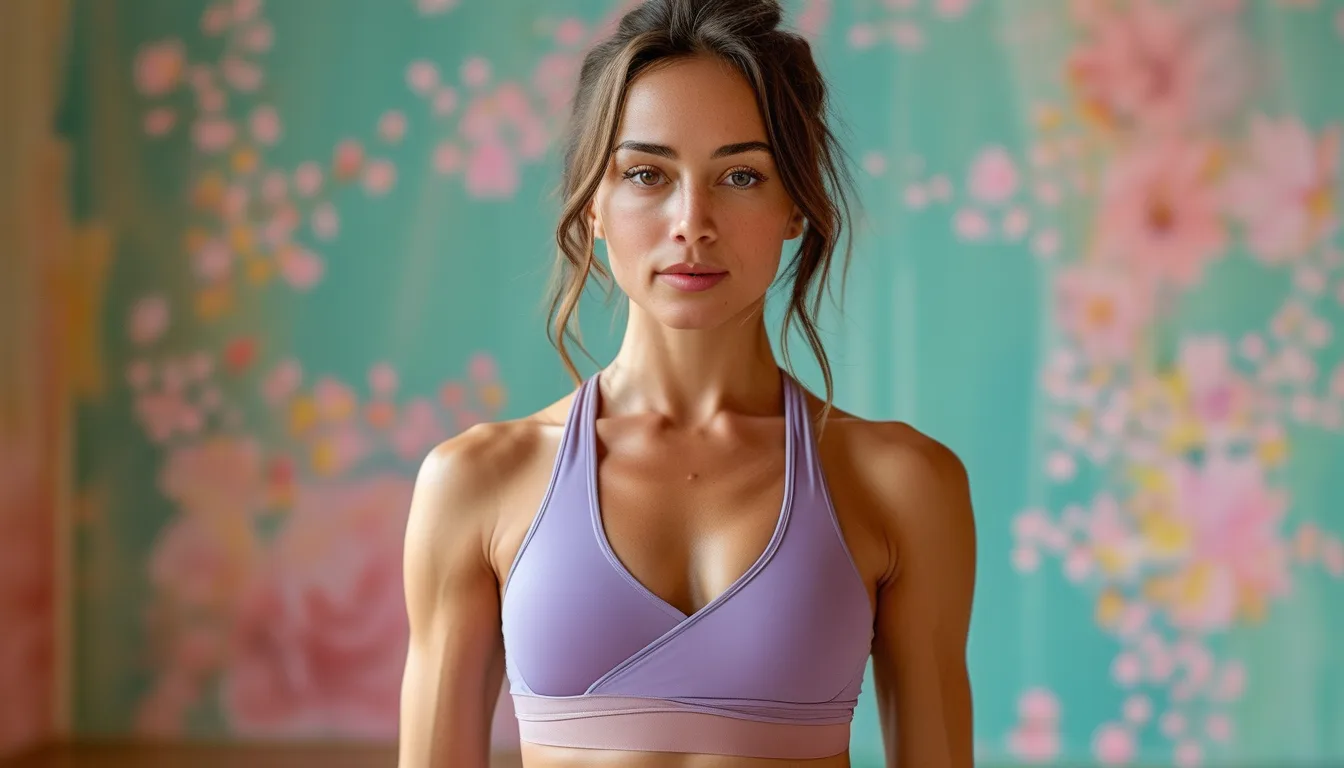
For example: a wrap top (the signature piece) paired with sharp black trousers and simple pumps reads as elevated and intentional. The same wrap top paired with a tulle skirt and leg warmers reads as costume.

What Nobody Tells You About Balletcore Fabric Choices
Here’s the detail most guides skip: fabric weight changes everything. A thin, satiny wrap top in a slippery fabric reads as loungewear or literal dancewear. The same silhouette in a structured, slightly heavier knit or ponte fabric reads as a legitimate blouse.
When shopping, prioritize fabric hand over exact silhouette match — a slightly-off wrap shape in substantial fabric will read more professional than a perfect wrap shape in flimsy jersey.
What are 3 office-ready balletcore combinations that work?
1. Wrap top + tailored wide-leg trousers + simple pointed flats (skip the ballet flat here — pointed toe keeps it from doubling up on the reference).
2. Soft pink or blush cardigan (structured, not soft cropped) + straight-leg trousers + loafers.
3. Ballet flats (the one signature piece) + a plain blazer + straight trousers — no wrap top, no pastel, just the shoe as the nod.
FAQ: Office Balletcore Questions, Answered
Can I wear a tulle skirt to work at all?
Only in a structured, knee-length, opaque style paired with a plain top and blazer — avoid pairing it with any other soft balletcore signature like a wrap top the same day.
Are leg warmers ever office-appropriate?
Rarely for a traditional office — they read most literally as dancewear. Save them for casual or creative-industry settings.
What colors work best for office balletcore?
Blush, dusty rose, and soft grey work as subtle accent colors against structured black, navy, or camel base pieces — full head-to-toe pastel tips toward costume territory.
TL;DR:
- Multiple balletcore signals worn together (wrap top + tulle + leg warmers) reads as costume
- Pick exactly 1 signature element per outfit and ground the rest in structured basics
- Fabric weight matters more than silhouette — structured knits read professional, slippery jersey doesn’t
- Pointed flats or loafers keep an outfit from doubling up on the ‘ballet’ reference
Next time you reach for a wrap top, count your balletcore signals before leaving the house — if it’s more than one, swap something for a plain structured piece.
Keep Reading
This article is for general informational and styling purposes only. Fit, sizing, and product availability may vary.