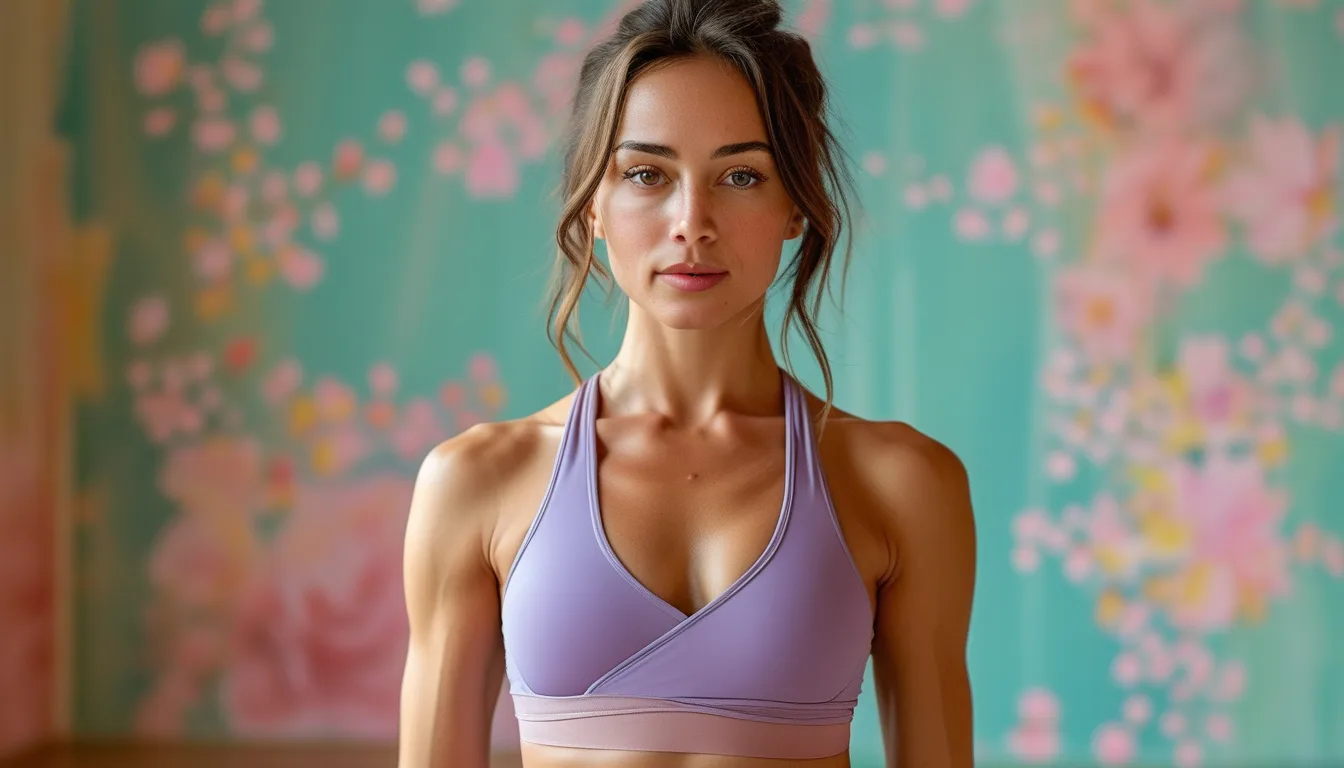
Balletcore Bottoms Beyond the Wrap Skirt: Flares, Leg Warmers, and Line
Quick Answer: Balletcore from the waist down is about line, not props: flare leggings in matte blush, black, or gray recreate the rehearsal-pant silhouette dancers actually wear; leg warmers work scrunched low over fitted layers in one soft color story; and knit shorts or a slip skirt over tights cover the warm-weather months. The rule that prevents costume territory - keep one ballet reference per outfit and let everything else be modern basics you already own.
Everyone bought the wrap skirt. But watch actual dancers leave an actual studio and the bottom half of the look is something else entirely: flared knit pants over a leotard line, warmers shoved down over ankles, everything in the same washed-soft palette. That version - the rehearsal version - is the one that translates to real life.

What makes a bottom read as balletcore in the first place?
Strip the aesthetic to its mechanics and three signals do all the work:
The lengthened leg line. Ballet’s entire visual language is elongation - and rehearsal clothes serve it. Bottoms that read balletcore continue the line of the leg rather than chopping it: high waists, unbroken color from hip to ankle, hems that draw the eye down and out. This is why the flare works so well and why anything that bisects the leg mid-calf - wide capri hems, chunky mid-shin boots - fights the genre.
Softness worn visibly. The aesthetic is knits that drape and cling gently, matte surfaces, fabric that moves when you do. Shiny performance fabrics and stiff structure read gym or streetwear; brushed, ribbed, and washed textures read studio. The touchability is the style.
The layered-warm-up logic. Real dancers dress in peelable layers - tights, warmers, knit shorts over tights, sweats over everything, shed as the body warms. Balletcore borrows that visual: something fitted as the base, something soft layered over part of it. One layer visible over another - warmers over flares, shorts over tights - is the single fastest way an outfit signals the genre.
And the palette carries half the meaning: ballet pink, blush, cream, oat, soft gray, black - worn in low-contrast combinations rather than color-blocked. A black flare and black bodysuit with blush warmers reads balletcore instantly; the same silhouette in neon color-blocking reads 1980s aerobics, which is a different party.
Every styling call below is one of these signals, applied.
Why are flare leggings the real foundation of the look?
Because they are the direct descendants of what dancers genuinely wear - the rehearsal pant, the jazz pant, the knit flare pulled over a leotard between classes - and they deliver the leg line with none of the skirt’s costume risk.
What the balletcore flare looks like, specifically:
- Fitted through hip and thigh, opening below the knee - a clean bootcut-to-flare kick, not a dramatic bell. The fitted top half keeps the dancer silhouette; the kick restores the trouser-like break over the shoe.
- Full length or longer. The hem should hover at the floor with flats - covering most of the shoe, which is exactly what stretches the leg line. Petite frames need petite inseams or a genuine bootcut rather than an oversized flare; tall frames hunt the long inseams, because a flood-length flare breaks the entire spell.
- Matte, soft, and high-waisted. Ribbed knits, brushed jersey, and the buttery-soft leggings fabric family all qualify - this is one genre where the softest hand wins over compression. A crossover or fold-over waistband is a bonus ballet reference that costs nothing.
- In the palette: black first (most wearable), then blush, gray, or espresso.
The formulas they anchor: black flares plus a fitted bodysuit plus a loose knit sliding off one shoulder is the canonical outfit - studio to coffee with zero changes. Blush flares plus cream layers is the softest version. Flares plus a cropped cardigan buttoned once at the top is the most office-adjacent.
And the shoe logic underneath: ballet flats and low sneakers extend the line; anything chunky - platform sneakers, lug boots - anchors the hem with visual weight the silhouette does not want. If the shoe has to be substantial for weather, keep it in the palette so it disappears.
How do you wear leg warmers without the costume effect?
Leg warmers are the highest-risk, highest-reward piece in the genre - the difference between studio-chic and Halloween is entirely in the deployment.
The rules that keep them chic:
Scrunched low, always. Pushed down into soft folds ankle-to-lower-calf - never pulled smooth and high toward the knee, which is the costume line. The scrunch is the whole look: it should appear as if they slid there during a long rehearsal.
Over something fitted. Warmers layer over the slimmest possible base - fitted leggings, tights, or the ankle of a slim flare. Over wide or baggy pants they add bulk to bulk; the visual logic requires the contrast of a slim line interrupted by one soft accumulation.
Tonal or one-step-off, not contrast. Gray warmers over black leggings, cream over blush, black on black - the low-contrast versions read intentional. High-contrast warmers become the outfit’s exclamation point, and exclamation points are how costumes start.
One knit reference per outfit. Warmers or the wrap top or the ballet skirt - not the full ensemble at once. Paired with otherwise ordinary pieces (straight jeans and flats, a slip skirt and sneakers), warmers read as a styling idea; paired with three other ballet signifiers they read as a recital.
Where they genuinely earn wear: over leggings for actual warm-ups and cool-downs (their real job - ankles and calves warm up slower than the rest of the leg), over tights under boots on cold days as hidden insulation, and slouched over flare hems in deep fall as visible texture.
The buying note: knitted, slightly loose, natural-blend warmers scrunch properly; tight athletic calf sleeves do not scrunch at all - and the scrunch, again, is the entire point.
What Nobody Tells You About Balletcore
Dancers dress that way for thermal reasons, and copying the logic beats copying the pieces. Every layer in a rehearsal outfit exists to keep muscles warm and peel off as the body heats - which is why the aesthetic transfers so naturally to actual workouts, chilly offices, and August-into-September transitional weather. Style it as a warmth system and it always looks right; style it as decoration and it sometimes looks borrowed.
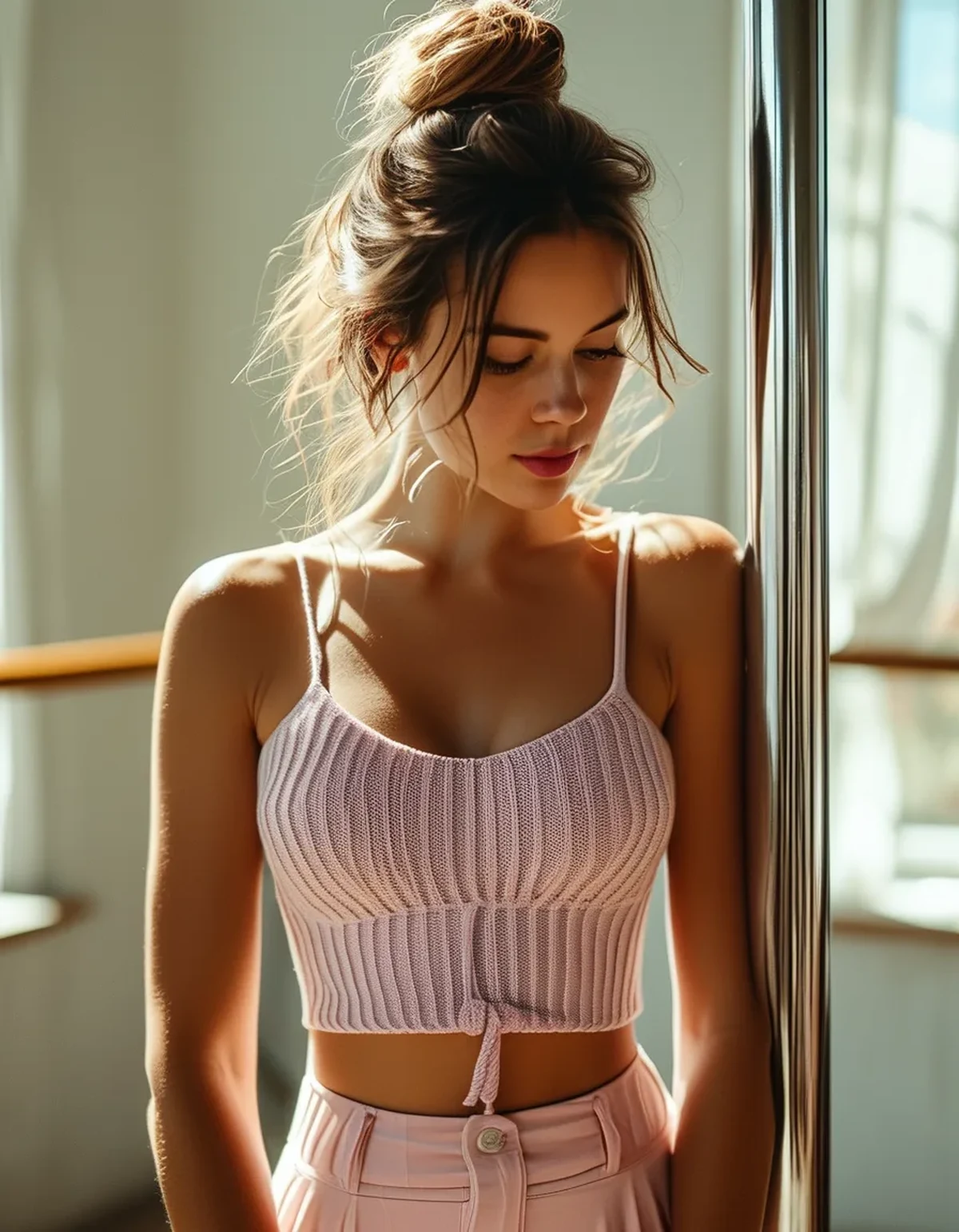
The bun is doing more work than the clothes. A low, slightly imperfect bun or a wrapped braid converts almost any soft-palette outfit into balletcore; elaborate styling defeats it. The genre’s whole appeal is effortless discipline - hair that says I have been busy doing something graceful.
Fit contrast is the invisible rule. Every canonical balletcore outfit pairs one clinging piece with one volume piece - fitted flare with oversized knit, bodysuit with slouched cardigan, tights with billowing shorts. Two fitted pieces read athletic; two oversized pieces read loungewear; the tension between them reads ballet.
The palette is why it flatters so widely. Low-contrast dressing in soft tones creates one long unbroken visual column - the same elongation trick as monochrome dressing, wearing a prettier name. This is also the argument for buying the pieces in the palette even when a brighter version is on sale.
It is quietly one of the cheapest aesthetics to enter. Most wardrobes already contain black leggings, a fitted long-sleeve, and a soft neutral knit - the entry cost is one flare pair and maybe warmers. The expensive-looking version is a styling achievement, not a receipt.
And the pieces moonlight. The flares pass at casual offices, the warmers do real winter work, the bodysuits layer under everything - which is what separates an aesthetic worth adopting from one that colonizes a closet shelf and dies there.
How do you build the warm-weather and transition versions?
Balletcore reads wintry - all those knits - but the layering logic scales down to late summer and rebuilds beautifully for fall:
The August version: knit or ribbed bike-length shorts in blush or black with an off-shoulder tee and flats; the slip skirt over bare legs with a fitted tank and a micro-cardigan draped, not worn; or the wrap-detail exercise dress styled with a low bun and ballet flats. The signals - softness, palette, one wrap or scrunch reference - survive without a single warm layer. Sheer-ish white ankle socks with flats are the summer stand-in for leg warmers: same visual softness at the ankle, none of the heat.
The September transition - the genre’s home season: flares come back first, worn with tanks while afternoons stay warm; warmers reappear over leggings for morning walks; the big knit rides shoulders until the temperature commits. Transitional dressing is literally what rehearsal layering was invented for, which is why the look peaks in exactly these weeks.
The three-piece capsule that covers all of it: one pair of black matte flare leggings, one blush or gray knit set of warmers, one oversized soft-neutral sweater - added to the fitted basics any wardrobe already holds. Every formula in this article assembles from those three plus existing pieces.
The upkeep that keeps soft looking deliberate: pill-shave the knits and the inner thighs of the flares regularly (soft fabrics pill by design - five minutes with a fabric shaver resets them), air-dry everything, and retire pieces to loungewear once the drape goes limp. Balletcore lives on the narrow line between beautifully worn-in and simply worn out - and the fabric shaver is what holds the line.
FAQ: Balletcore Bottoms Questions, Answered
Are flare leggings and yoga pants the same thing for this look?
Functionally close - the classic flared yoga pants silhouette is the same shape balletcore flares revive, and a matte black pair works perfectly. The styling divergence: balletcore versions skip logos and contrast stitching, favor ribbed and brushed textures, and pair with flats or thin sneakers rather than trainers. If the pair you own is matte and clean, restyle it before buying anything.
Can I wear balletcore bottoms to an actual workout?
The flares and warmers, absolutely - flares suit yoga, Pilates, barre, and dance formats (watch hem length around reformer springs and treadmills), and warmers over leggings are legitimately functional for warming ankles and calves pre-class. The slip skirts and delicate knits stay in the daywear column.
What underwear situation works under blush flares?
Light-colored soft knits show lines and shadows more than black compression does - seamless styles one shade near your skin tone, not the flare’s color, solve it. The bodysuit-as-base-layer trick is the genre’s other native solution: one smooth line from shoulder to hip with nothing to show through.
I am curvy - does the fitted-plus-volume formula still work?
It is arguably built for curves: the fitted base honors shape while the volume piece adds the ease, and the high-waisted flare is one of the most universally flattering silhouettes in activewear. The adjustments that help: choose the heavier-weight matte knits for the fitted half (better drape, no cling-mapping), keep the volume piece genuinely oversized rather than merely loose, and let the unbroken palette column do its lengthening work.
TL;DR:
- Balletcore bottoms run on three signals: an unbroken leg line, visible softness, and warm-up layering logic in a blush-to-black palette
- Flare leggings are the foundation - matte, high-waisted, fitted-to-knee with a clean kick, hem hovering at the floor
- Leg warmers: scrunched low, over fitted layers, tonal colors, one ballet reference per outfit - the scrunch is everything
- Pair one clinging piece with one volume piece, finish with a low bun and flat shoes, and pill-shave the knits to keep soft from becoming shabby
- Summer runs on knit shorts, slip skirts, and ankle socks; September is the genre’s home season
The wrap skirt was the aesthetic’s postcard; the flares and warmers are its working wardrobe. Copy the rehearsal logic - warmth, layers, one soft line from waist to floor - and the look does what dancers designed it to do: make ordinary movement read as grace.
See It in Motion
Seen here: Bootcut Capri Yoga Pants with Pockets — shop similar styles on bubblelime.com
Keep Reading
This article is for general informational and styling purposes only. Fit, sizing, and product availability may vary.